
TL;DR
Filling cracks in Durham and Raleigh asphalt keeps water out and stops small cracks from turning into potholes, extending pavement life and avoiding costlier repairs. Green Street Blacktop cleans each crack, fills it with hot melted liquid rubber, and adds a 2-inch reinforcing band along the edges to create a durable, weather-resistant seal.
Keeping your asphalt pavement in good shape is important. In Durham and Raleigh, the weather can be tough on asphalt. Hot summers and cold winters can cause cracks to form. If left unchecked, these cracks can turn into bigger problems.
Table of Contents
- Why Do Cracks Form in Asphalt?
- Why Is It Important to Fill Cracks?
- How We Fill Cracks to Make Pavement Last Longer
- How Filling Cracks Prevents Potholes
- When Should You Fill Cracks?
- Tips for Asphalt Care in Durham and Raleigh
- Why Choose Us for Your Asphalt Needs?
- The Cost of Ignoring Cracks
- Frequently Asked Questions
- Request an Asphalt Repair Quote in Durham, NC
In this article, we'll explain why filling cracks is essential. We'll also share how we do it to make your pavement last longer.
Why Do Cracks Form in Asphalt?
Asphalt expands and contracts with temperature changes. In hot weather, it expands. In cold weather, it contracts. Over time, this movement can cause cracks to appear.
Other reasons for cracks include:
Heavy Traffic: Lots of cars and trucks can wear down the pavement.
Water Damage: Rainwater can seep into small cracks and make them bigger.
Plant Growth: Weeds and grass can grow in cracks, widening them.
Why Is It Important to Fill Cracks?
Filling cracks in your asphalt is more than just making it look nice. Here are some reasons why it's important:
1. Prevents Potholes
When water gets into cracks and freezes, it expands. This makes the cracks bigger and can lead to potholes. Potholes are not only annoying but can also damage vehicles.
2. Extends Pavement Life
By filling cracks, you stop them from getting worse. This helps your pavement last longer, saving you money in the long run.
3. Improves Safety
Cracks and potholes can cause trips and falls. Keeping your pavement smooth makes it safer for everyone.
4. Enhances Appearance
A well-maintained pavement looks better. This can make a good impression on visitors or customers.
How We Fill Cracks to Make Pavement Last Longer
We use a proven method to fill cracks and protect your asphalt. Here's how we do it:
Step 1: Cleaning the Cracks
Before we can fill the cracks, we need to clean them thoroughly. This is a crucial step.
Remove Debris: We get rid of dirt, rocks, and loose asphalt.
Eliminate Plant Life: We remove any weeds or grass growing in the cracks.
We use high-powered blowers and torches for this process. The blowers push out debris, and the torches burn away plant matter. Cleaning ensures that the filler will stick properly.
Why Cleaning Is Important
If cracks are not cleaned well, the filler won't stick. The hot rubber will peel off, and the cracks will reopen. Proper cleaning ensures a strong bond between the filler and the asphalt.
Step 2: Applying Hot Melted Liquid Rubber
Once the cracks are clean, we fill them with hot melted liquid rubber.
Heated to the Right Temperature: The rubber is heated until it melts and flows easily.
Filling the Cracks: We pour the liquid rubber into the cracks, making sure they are completely filled.
Step 3: Creating a 2-Inch Banding
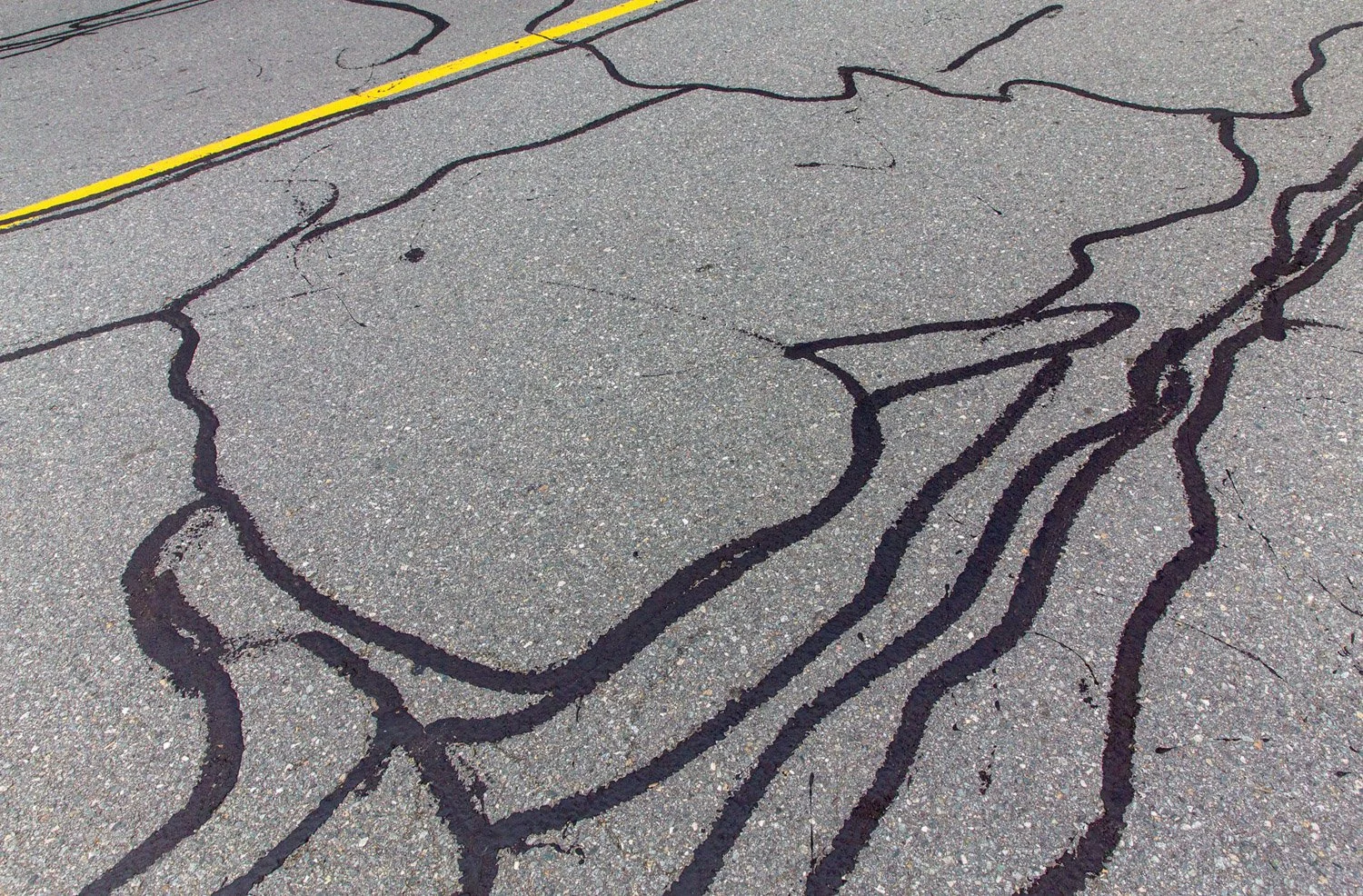
After filling the cracks, we apply a 2-inch banding of rubber on the edges.
Seals the Edges: This banding seals the crack edges, preventing water from seeping in.
Adds Strength: The extra layer reinforces the area around the crack.
Benefits of Using Hot Melted Liquid Rubber
Flexible: The rubber expands and contracts with the asphalt, preventing new cracks.
Durable: It can withstand the weather conditions in Durham and Raleigh.
Effective Seal: Keeps out water, dirt, and debris.
How Filling Cracks Prevents Potholes
Water is the enemy of asphalt. When water gets into cracks and freezes, it expands. This expansion makes the cracks bigger and can cause chunks of asphalt to break away, forming potholes.
By filling the cracks:
Stops Water Infiltration: The seal keeps water out.
Prevents Freeze-Thaw Damage: Reduces the effects of freezing and thawing cycles.
Maintains Pavement Integrity: Keeps the asphalt strong and intact.
When Should You Fill Cracks?
It's best to fill cracks as soon as you notice them. Regular inspections can help you catch cracks early.
Ideal times for crack filling are:
Spring and Fall: Moderate temperatures help the rubber bond better.
Before Sealcoating: Filling cracks before sealcoating provides a smooth surface.
Tips for Asphalt Care in Durham and Raleigh
Regular Maintenance: Check your pavement for cracks at least twice a year.
Clean Surface: Keep your asphalt clean from debris and oil spills.
Sealcoating: Apply a sealcoat every few years to protect the surface.
Professional Help: Hire experts to handle crack filling and repairs.
Why Choose Us for Your Asphalt Needs?
We are committed to helping Durham and Raleigh homeowners keep their asphalt in top shape.
Experienced Team: Our team knows how to handle all types of asphalt issues.
Quality Materials: We use the best products, like hot melted liquid rubber.
Proper Equipment: Our high-powered blowers and torches ensure thorough cleaning.
Customer Satisfaction: We focus on delivering excellent service.
Notice cracks forming in your driveway or parking lot? Get a quote and we'll take a look.
The Cost of Ignoring Cracks
Not filling cracks can lead to bigger problems:
Pothole Formation: Leads to more expensive repairs.
Safety Risks: Increases the chance of accidents.
Decreased Property Value: A damaged driveway or parking lot can lower your property's worth.
Investing in crack filling now can save you money and trouble in the future.
Frequently Asked Questions
How much does crack filling cost in Durham or Raleigh?
Crack filling typically runs $0.50 to $3 per linear foot, depending on crack size and how much filler material is needed, making it one of the most affordable ways to protect your asphalt.
How long does hot melted liquid rubber crack filler last?
A properly applied hot pour rubber seal typically lasts 2 to 3 years before it needs to be reapplied, depending on traffic and weather exposure.
What's the best time of year to fill cracks?
Spring and fall offer the moderate temperatures that help the rubber filler bond best, though cracks that need immediate attention can be filled at other times of year too.
What happens if cracks are left unfilled?
Water seeps in, freezes, and expands during colder months, widening the crack until it breaks into a pothole — a repair that costs significantly more than crack filling alone.
Should cracks be filled before sealcoating?
Yes — filling cracks first creates a smooth, sealed surface so the sealcoat can bond properly and keep water from getting underneath it.
Don't let small cracks turn into big problems. Reach out today for a free inspection and estimate, and let our experts help keep your pavement looking great and lasting longer across Durham and Raleigh.

