
What Causes Potholes in My Driveway or Parking Lot?
TL;DR
Potholes start when water seeps into cracks in the pavement. Once there, heavy traffic and poor drainage, combined with repeated freeze/thaw cycles cause the asphalt to break down from the inside out. Patching existing damage, fixing drainage issues, filling cracks promptly, and sealcoating every 2 to 3 years are the most effective ways to stop a small imperfections from turning into potholes.
Potholes are more than just an eyesore—they're a problem that can cause safety hazards, vehicle damage, and costly repairs if not dealt with promptly. For property managers and business owners in Durham, Raleigh, and surrounding areas, understanding what causes potholes and how to prevent them is key to maintaining asphalt surfaces like driveways and parking lots.
In this article, we'll break down the most common causes of potholes, explain how they form, and provide tips for preventing them in the future.
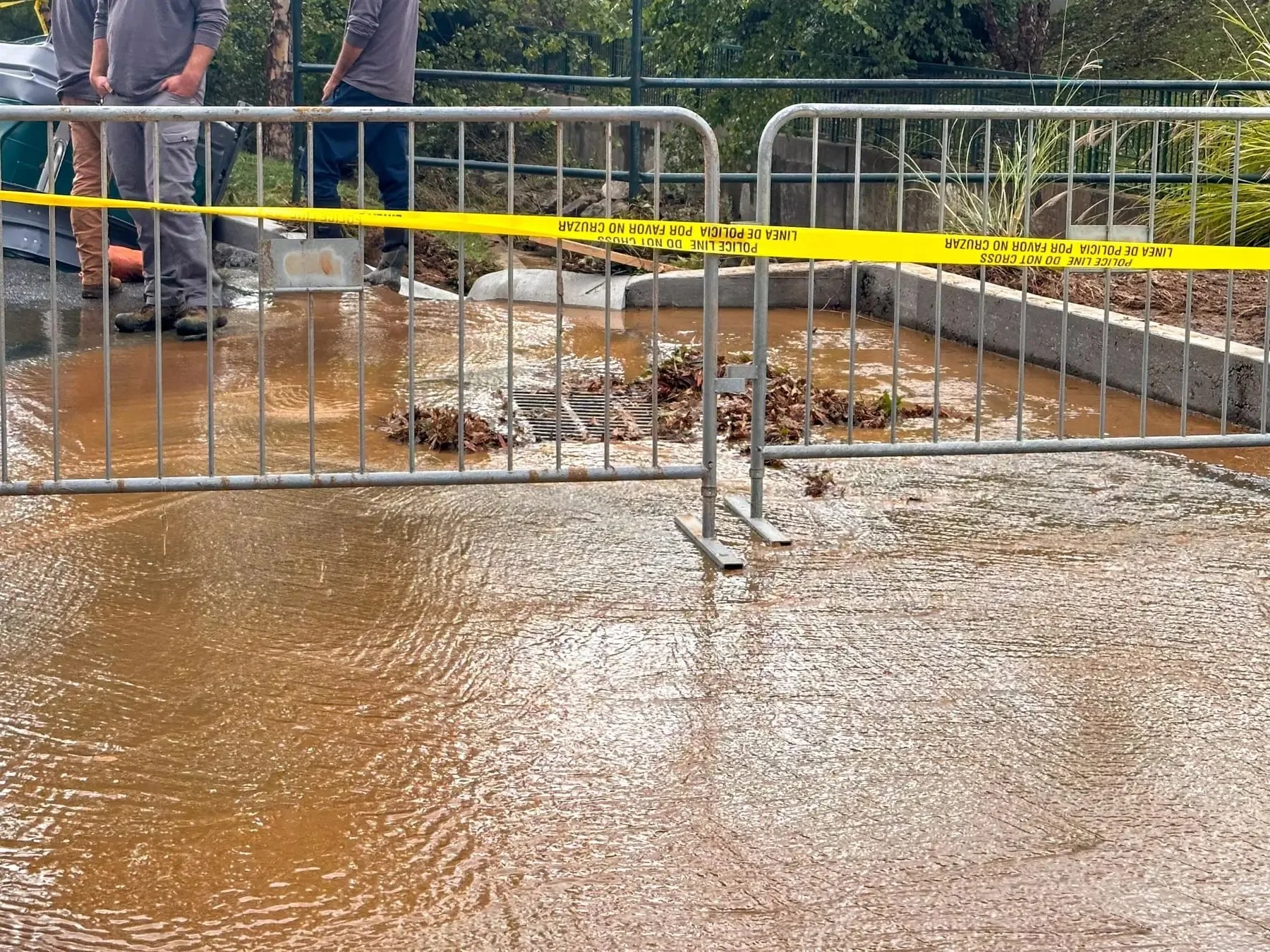
Water Infiltration: The Primary Culprit
Water infiltration is one of the leading causes of potholes. When water gets into cracks in the asphalt, it seeps down into the layers beneath the surface. During colder months, the water freezes, expands, and causes the asphalt to push upward and crack. When the ice melts, it leaves voids under the asphalt, weakening the structure. Over time, this repeated freeze-thaw cycle causes cracks to widen and leads to potholes.
Even in warmer climates like Durham and Raleigh, rainwater can still infiltrate cracks and compromise the integrity of your asphalt. Over time, this process weakens the surface and eventually leads to pothole formation.
Heavy Traffic: Stress and Wear
Asphalt is designed to handle a certain amount of traffic, but heavy vehicles like delivery trucks, garbage trucks, and buses can put excessive stress on the surface. Over time, the repeated weight and movement from these vehicles cause the asphalt to crack, which eventually forms potholes. Parking lots in commercial areas, where large vehicles are common, are particularly vulnerable to this type of damage.
Regular maintenance, including crack filling and sealcoating, can help strengthen your asphalt and prevent it from becoming damaged by heavy traffic.
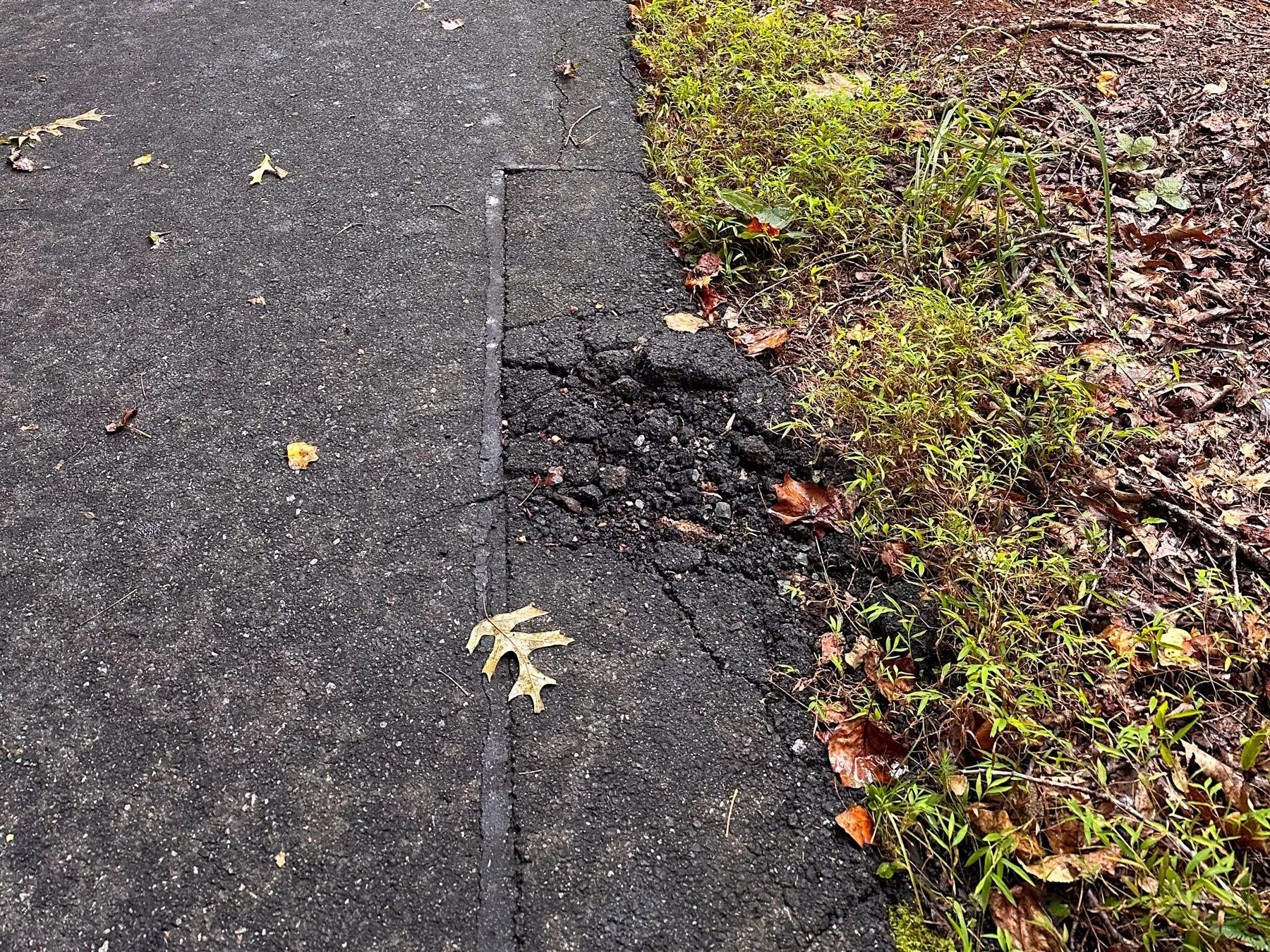
Temperature Fluctuations: Freeze-Thaw Cycle
The freeze-thaw cycle is one of the most damaging processes for asphalt surfaces. When temperatures drop, water that has seeped into the asphalt freezes and expands, pushing against the asphalt and creating cracks. When the temperature rises again, the ice melts, and the asphalt contracts, leaving behind voids. Over time, this cycle repeats and causes the asphalt to break down and form potholes.
Even in North Carolina where our winters are milder, occasional cold snaps followed by warmer temperatures can cause this freeze-thaw cycle to occur. The result is that small cracks grow into larger problems, eventually leading to potholes.
For a deeper look into the effects of temperature on asphalt, visit the University of Minnesota's explanation of freeze-thaw damage.
Poor Drainage: A Silent Danger
Improper drainage is another major cause of potholes. When water is not properly directed away from your driveway or parking lot, it can pool on the surface or seep into small cracks. Over time, this standing water accelerates the breakdown of the asphalt, leading to larger cracks and eventually potholes.
Signs of poor drainage include water pooling on your asphalt after rainstorms, erosion near the edges of your asphalt surface, and visible low spots. Proper drainage systems and grading are critical to preventing water from sitting on your asphalt surface.
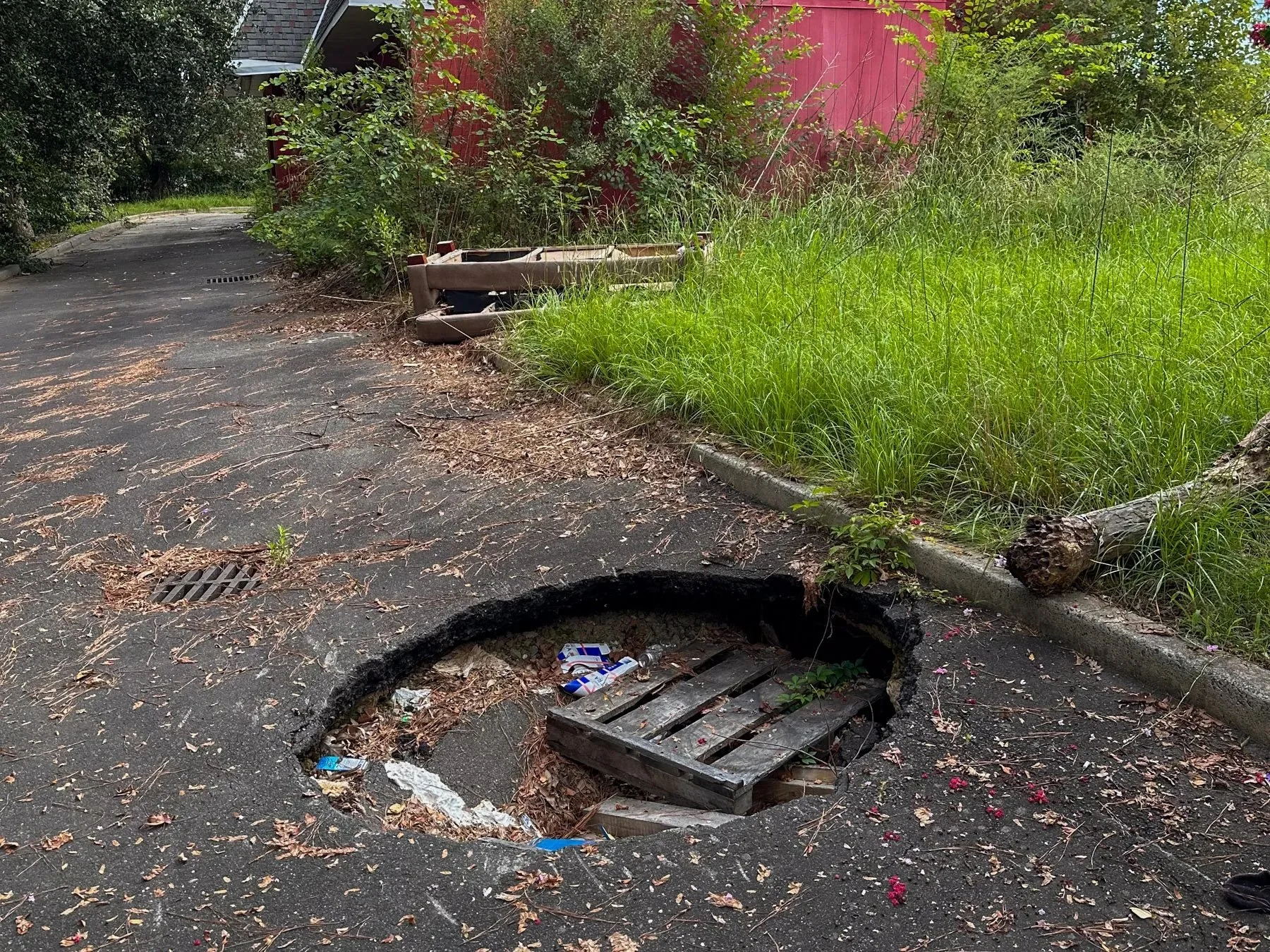
Inadequate Installation or Materials
Sometimes, the problem begins with how the asphalt was originally installed. If the base layer of the asphalt wasn't properly compacted, or if poor-quality materials were used, the surface will be more prone to cracking and pothole formation. Proper installation is key to ensuring that your asphalt is durable and able to withstand both weather and traffic stress.
Signs of poor installation include premature cracking, potholes forming soon after installation, and an uneven or bumpy surface. Choosing a reputable asphalt contractor who uses high-quality materials is essential to prevent these issues.
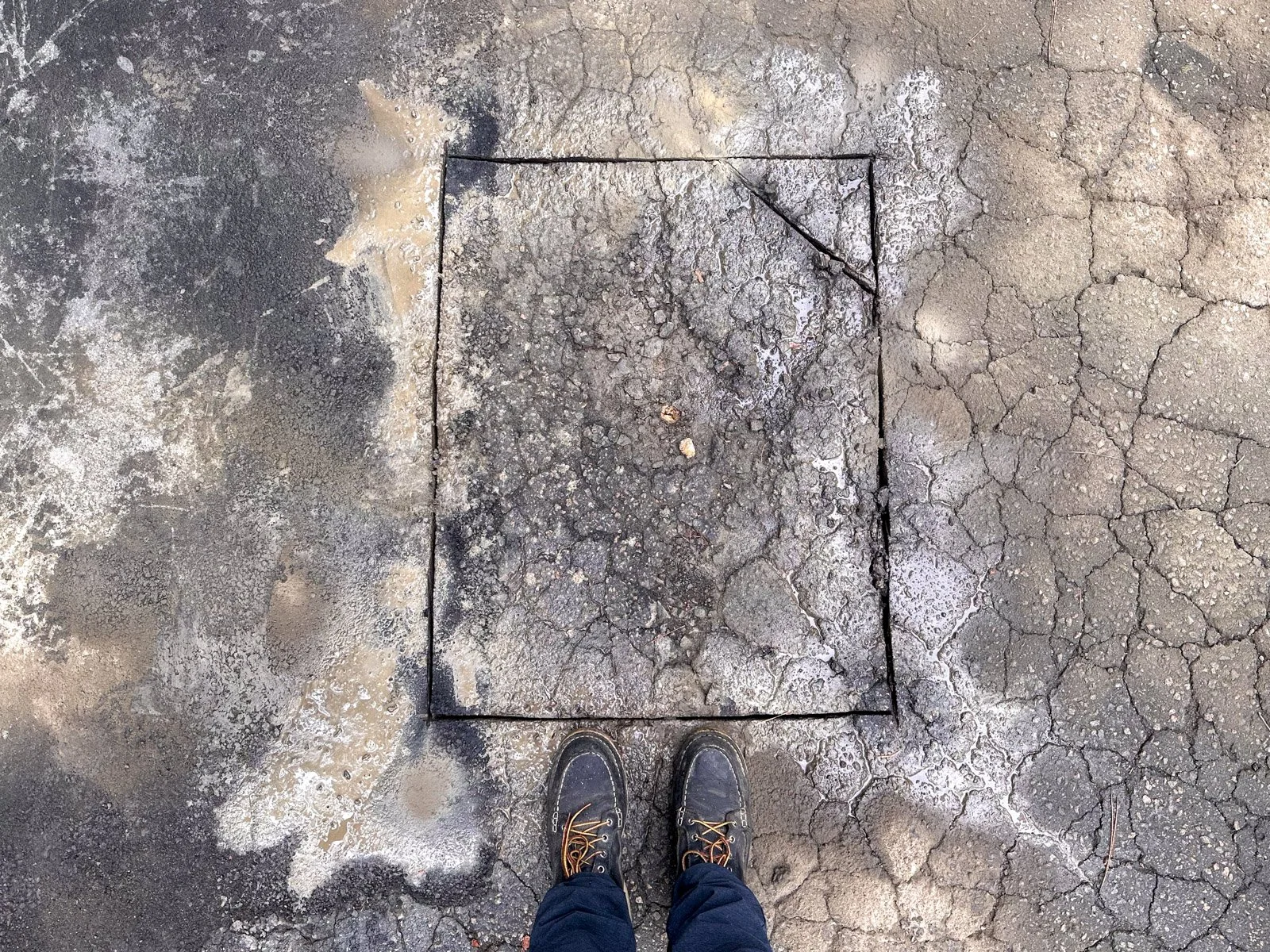
How to Prevent Potholes
While potholes are inevitable in some cases, there are steps you can take to minimize their occurrence. Prevention is always more cost-effective than repair, and regular maintenance can extend the life of your asphalt surface.
Regular Sealcoating
Sealcoating your driveway or parking lot every 2 to 3 years creates a protective layer that prevents water and chemicals from penetrating the asphalt. It also shields the surface from UV damage, which can weaken the asphalt over time.
Timely Crack Filling
The sooner you address cracks in your asphalt, the better. Crack filling is a quick and inexpensive way to prevent water from seeping into the asphalt and causing more significant damage. If left untreated, small cracks can quickly turn into potholes.
Ensure Proper Drainage
Make sure that water is directed away from your asphalt surface. If your parking lot or driveway has low spots where water tends to pool, consider re-grading the surface or installing a drainage system to keep water from sitting on the asphalt.
Use Infrared Asphalt Patching
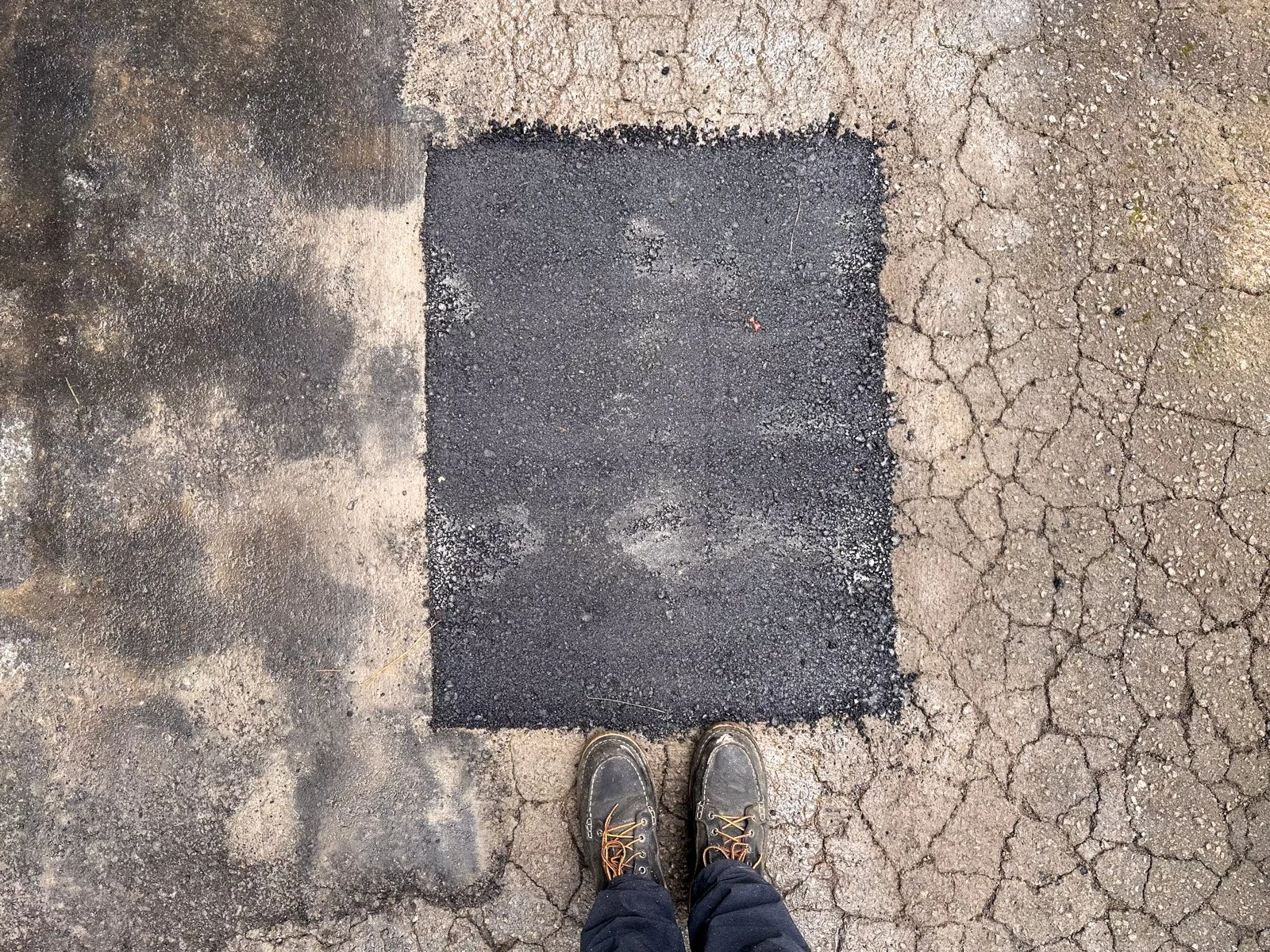
Infrared asphalt patching is a modern (developed over the past 40 years), environmentally friendly technique that can prevent potholes from reoccurring. This method involves heating the damaged area and blending new asphalt with the old surface, resulting in a seamless, durable repair.
You can learn more about this method from the University of Minnesota's research on innovative pothole repair techniques.
Why Choose Green Street Blacktop?
At Green Street Blacktop, we specialize in asphalt repair, including Milling & Patching, Crack Fill & Sealcoating, and Line Striping and Signage. Whether you manage a commercial property or need repairs for your residential driveway, we're here to help keep your asphalt in top condition for years to come.
If cracks are already showing in your Durham-area driveway or parking lot, it's worth addressing them before they turn into a pothole. Get a quote and we'll take a look.
Frequently Asked Questions
What is the most common cause of potholes?
Water infiltration combined with the freeze-thaw cycle is the leading cause — water seeps into small cracks, freezes and expands in cold weather, then leaves a void behind when it thaws, which widens the crack until it collapses into a pothole.
How often should I sealcoat my driveway or parking lot to prevent potholes?
Sealcoating every 2 to 3 years creates a protective layer that keeps water and UV rays from breaking down the asphalt underneath, which is one of the most cost-effective ways to prevent potholes from forming.
Can heavy traffic alone cause a pothole?
Heavy vehicles like delivery trucks and buses accelerate pothole formation by stressing asphalt that already has small cracks, but traffic alone rarely causes a pothole on a surface with no existing cracks or drainage issues — it's usually a combination of factors.
What are the signs that poor drainage is damaging my asphalt?
Water pooling on the surface after rain, erosion along the edges of the pavement, and visible low spots are all signs that drainage issues are accelerating asphalt breakdown and increasing pothole risk.
What is infrared asphalt patching and how does it prevent potholes from coming back?
Infrared asphalt patching heats the damaged area and blends new asphalt directly with the existing surface, creating a seamless bond instead of a separate patch — the method has been used for about 40 years and produces a more durable repair than a standard cold patch.
If you're concerned about potholes in your driveway or parking lot, don't hesitate to reach out to Green Street Blacktop. We'll be happy to provide a free quote or offer friendly advice on how to maintain your asphalt surface.