
Sealcoating & Crack Fill
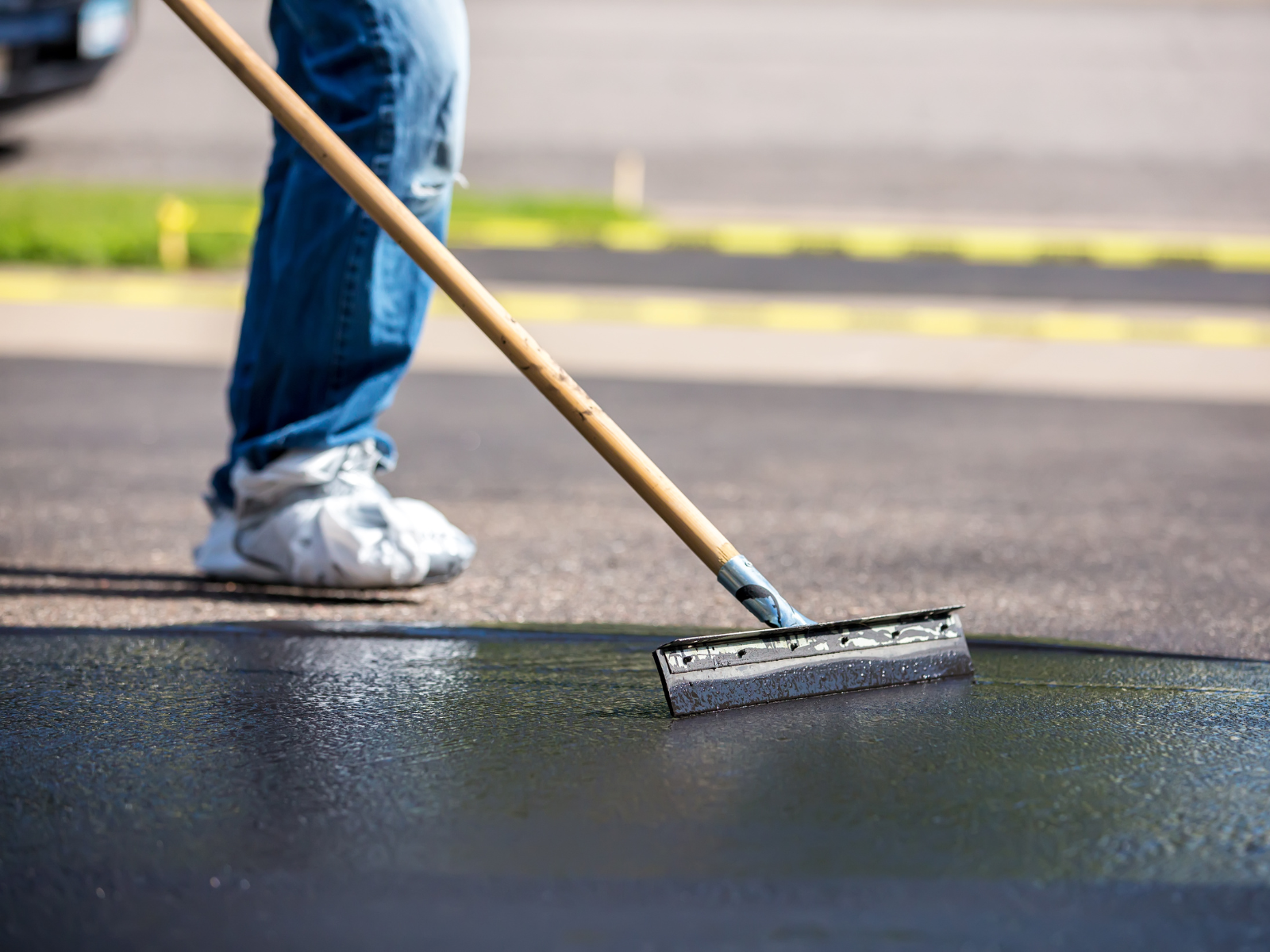
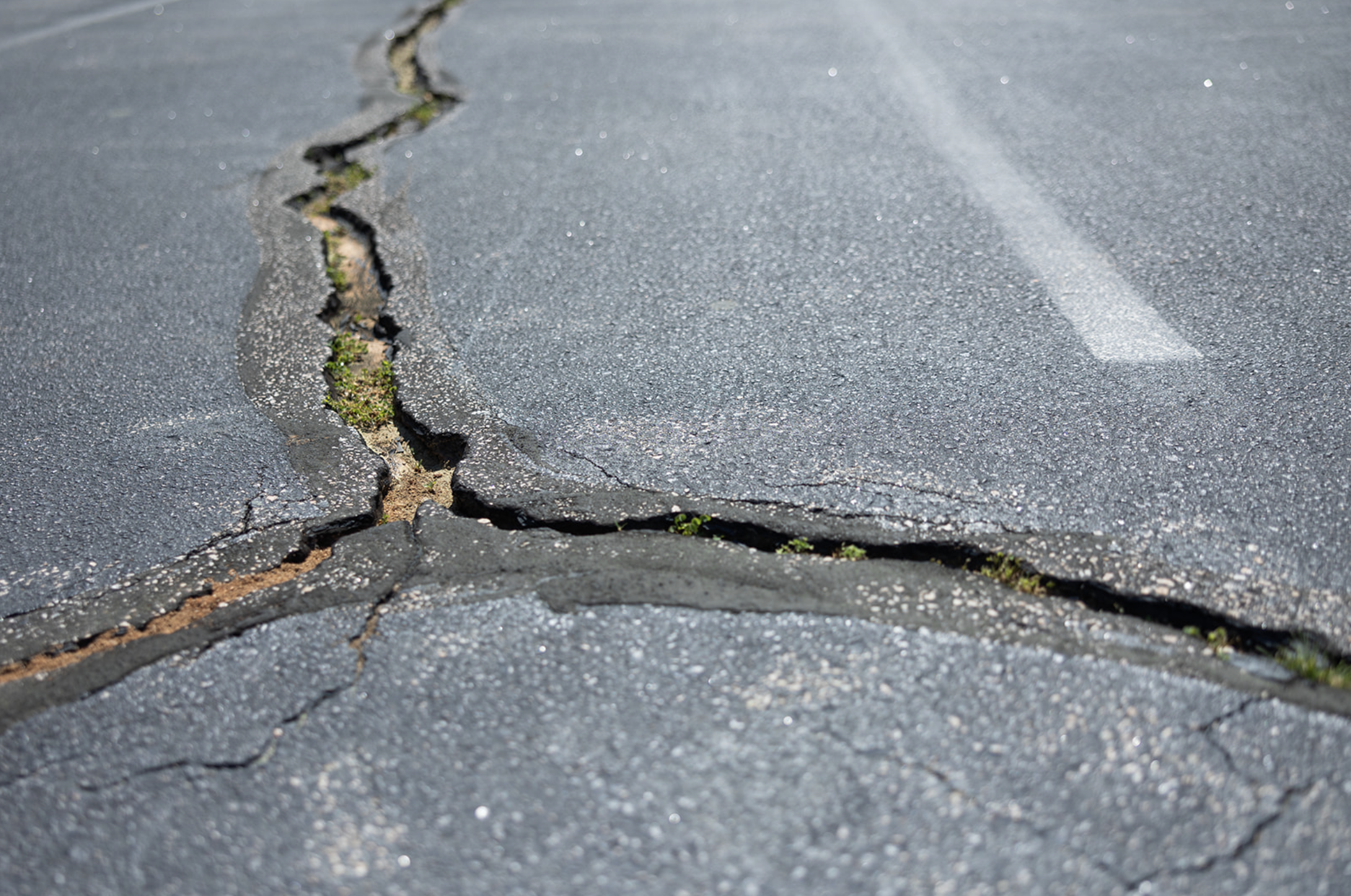
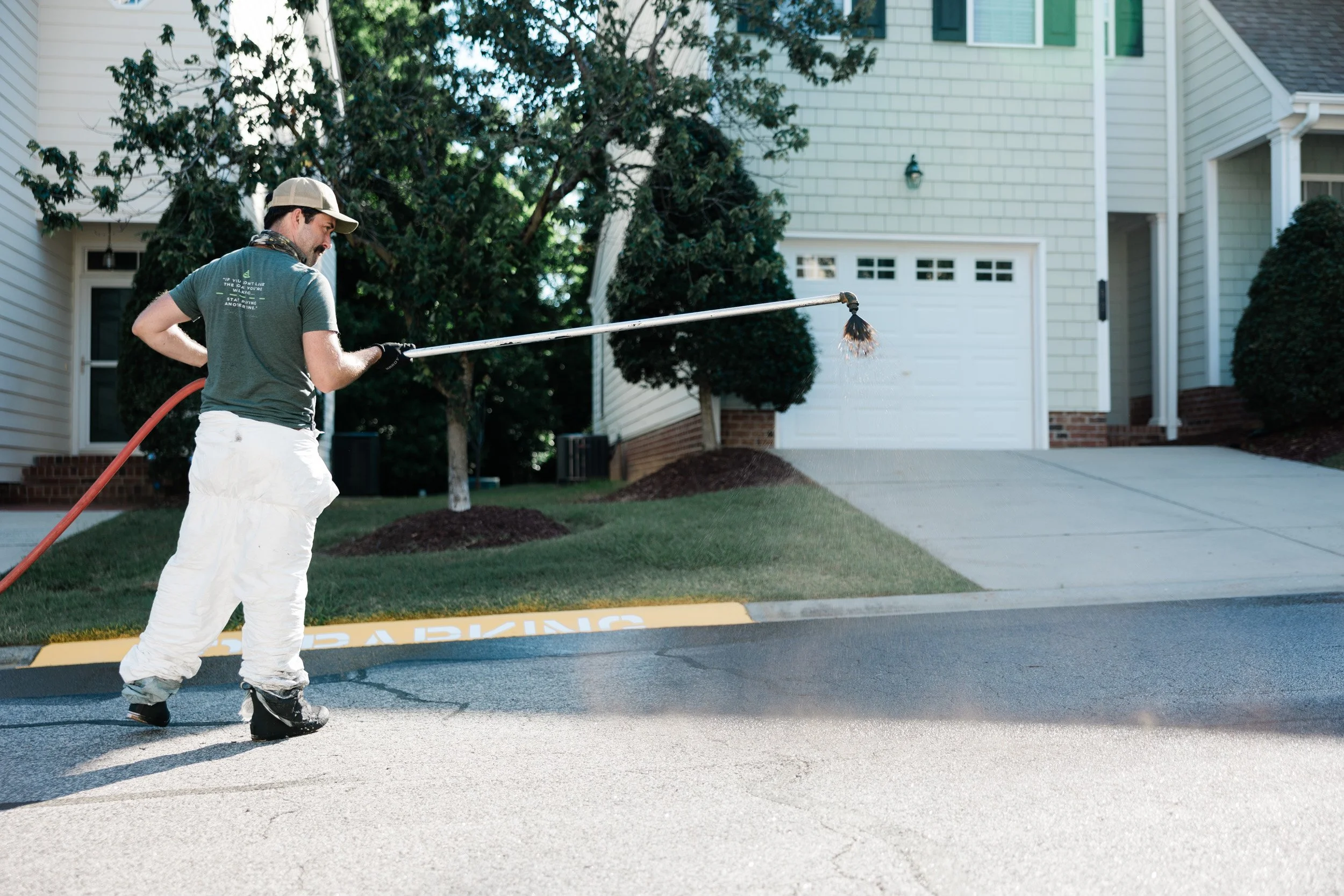
Sealcoating and crack fill protect asphalt that's still in good shape from turning into asphalt that isn't. Sealcoating creates a barrier against UV rays, water, oil, and oxidation, the things that age a parking lot or driveway from the surface down. Crack fill closes the small openings that let water in before they turn into potholes. We apply hot rubberized crack filler by hand or with a wheeled melter, then follow with an asphalt emulsion sealer, sprayed or squeegeed for a clean, even finish.
Signs it’s time for Crack Filling and/or Sealcoating:
Asphalt looks faded, gray, or dry rather than deep black
Small surface cracks are starting to show, especially spiderweb patterns
It's been two to three years since the last sealcoat
Water is pooling in low spots instead of draining off
How it Works, Step by Step:
Clean the surface. Surface debris, dirt, and vegetation get cleared so the sealer bonds properly.
Treat oil stains. Oil breaks down asphalt binder, so any oil spots get treated before sealing, not sealed over.
Fill cracks. Hot rubberized filler goes in by hand or wheeled melter, closing the gaps before they spread.
Apply sealer. An asphalt emulsion is sprayed or squeegeed onto the surface, depending on the job and your preference.
Cure time. Fresh sealer requires 24 to 48 hours with no vehicle traffic to properly cure before it's ready for use.
Considerations
Cracks have to be dry and free of debris before filling. Sealcoat needs that 24-48 hour cure window with the lot closed off. Oil stains need to be treated beforehand, or the sealer won't hold over them properly.
How pricing is determined
Crack fill is priced by linear foot. Sealcoating is priced by square footage, with additional cost for cleaning, edging, or multi-coat applications where the job calls for it. We'll walk your lot and give you a number based on what it actually needs.
Frequently Asked Questions
-
They're separate services and can be done independently, but crack filling first gives the best result. Sealing over open cracks just traps the problem underneath instead of fixing it.
-
Plan on 24 to 48 hours with no vehicle traffic. We'll give you the exact window for your job based on weather conditions at the time.
-
Not on its own. Oil stains need to be treated before sealing, or the new sealer won't bond properly over them. We handle that treatment as part of the prep work.
-
It stops water from getting into that crack and making it worse, which is most of the battle. But if the crack came from a deeper issue, like base movement or heavy loads in that spot, it can eventually reopen. We'll flag it if we see signs of that during the assessment.
Related Services
Oil Spot Removal
Oil stains have to be treated before we seal, or the sealer won't bond properly over them.
Line Striping & Signage
A freshly sealed lot covers up your existing lines, so restriping is the natural next step.
Asphalt Rejuvenator
In some cases, Rejuvenator can be a eco-friendly, cost-effective alternative to sealcoating.
We’d love to fix your cracked, aging asphalt!
Drop us a line - we’re here to help (and we’ll actually call you back)!