TL;DR
Sealcoating is protection, not decoration or repair: it shields asphalt from UV rays, water, and oil, but it won't fill cracks or potholes, so those get fixed first. Most driveways and lots need it every 2 to 3 years, not every year, and it costs far less than the repairs it helps you avoid. It works for homeowners and businesses alike.
Sealcoating is one of the least expensive ways to make asphalt last, and one of the most misunderstood. Some people think it's just a coat of black paint. Others expect it to fix cracks, or figure that more is always better. Each of those ideas can cost you money.
Here's what's actually true, from a crew that repairs and maintains asphalt in Durham, Raleigh, and Chapel Hill every day.
Table of Contents
- Myth 1: Sealcoating Is Just for Looks
- Myth 2: Sealcoating Can Fix Cracks and Potholes
- Myth 3: You Should Sealcoat Your Asphalt Every Year
- Myth 4: Sealcoating Is Only Necessary for Commercial Properties
- Myth 5: Sealcoating Is an Expensive Luxury
- When Sealcoating Won't Help
- Conclusion
- Frequently Asked Questions
- Request a Sealcoating Quote in Durham, NC
Myth 1: Sealcoating Is Just for Looks
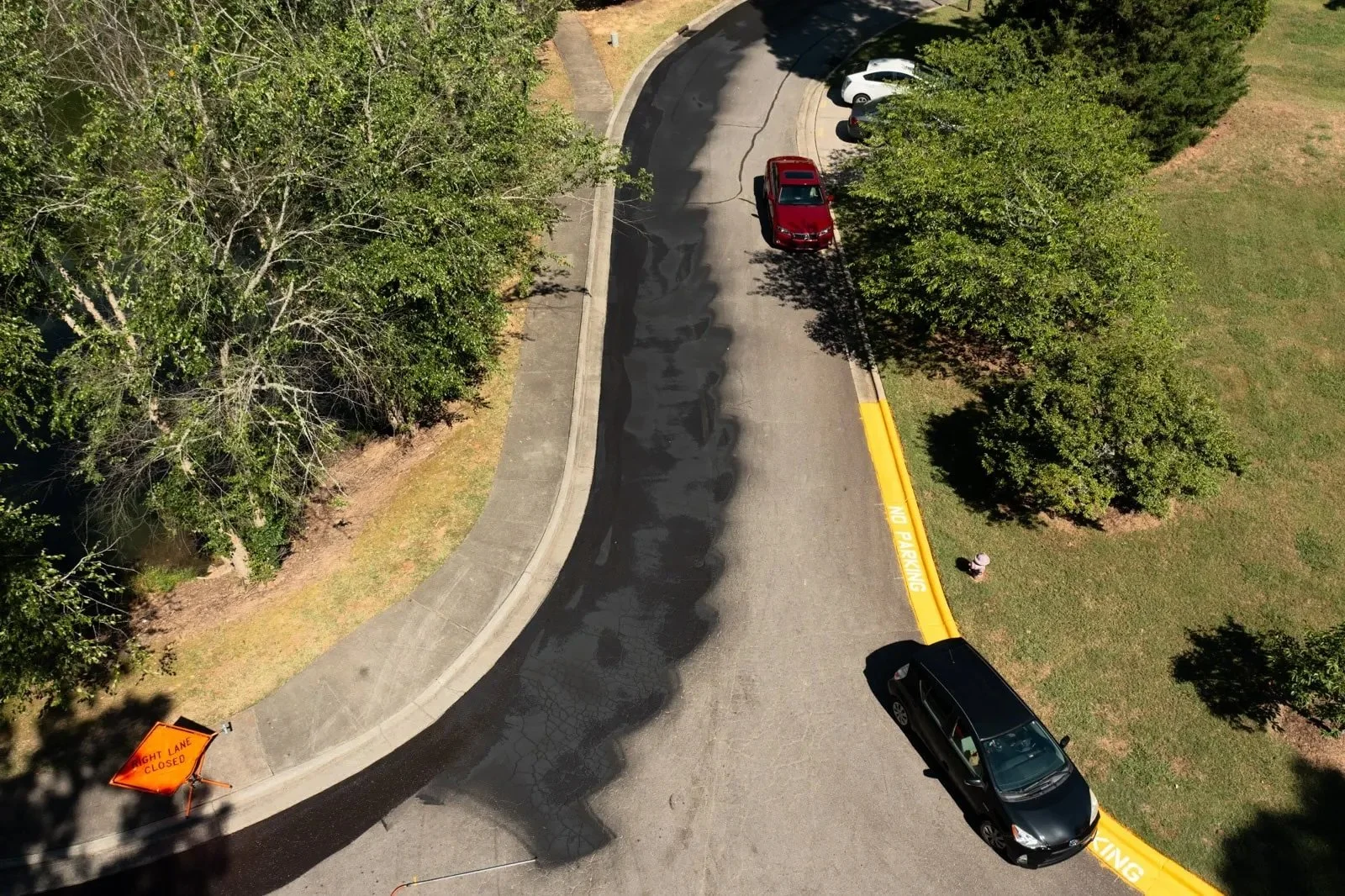
The truth: sealcoating protects asphalt first. The fresh black finish is a bonus.
Asphalt is crushed stone held together by a sticky binder. Sunlight, rain, and spilled oil and gas slowly break that binder down. The surface fades to gray, turns brittle, and starts shedding loose stone. Then water finds its way in.
Sealcoat is a thin protective layer (usually a water-based asphalt emulsion) that shields the binder from UV rays, water, and fuel and oil drips. Around the Triangle, with hot, sunny summers, heavy thunderstorms, and a few freezing nights each winter, that protection matters. Green Street Blacktop provides sealcoating services for driveways and parking lots in Durham and the surrounding area.
Myth 2: Sealcoating Can Fix Cracks and Potholes
The truth: sealcoating protects pavement. It doesn't repair it.
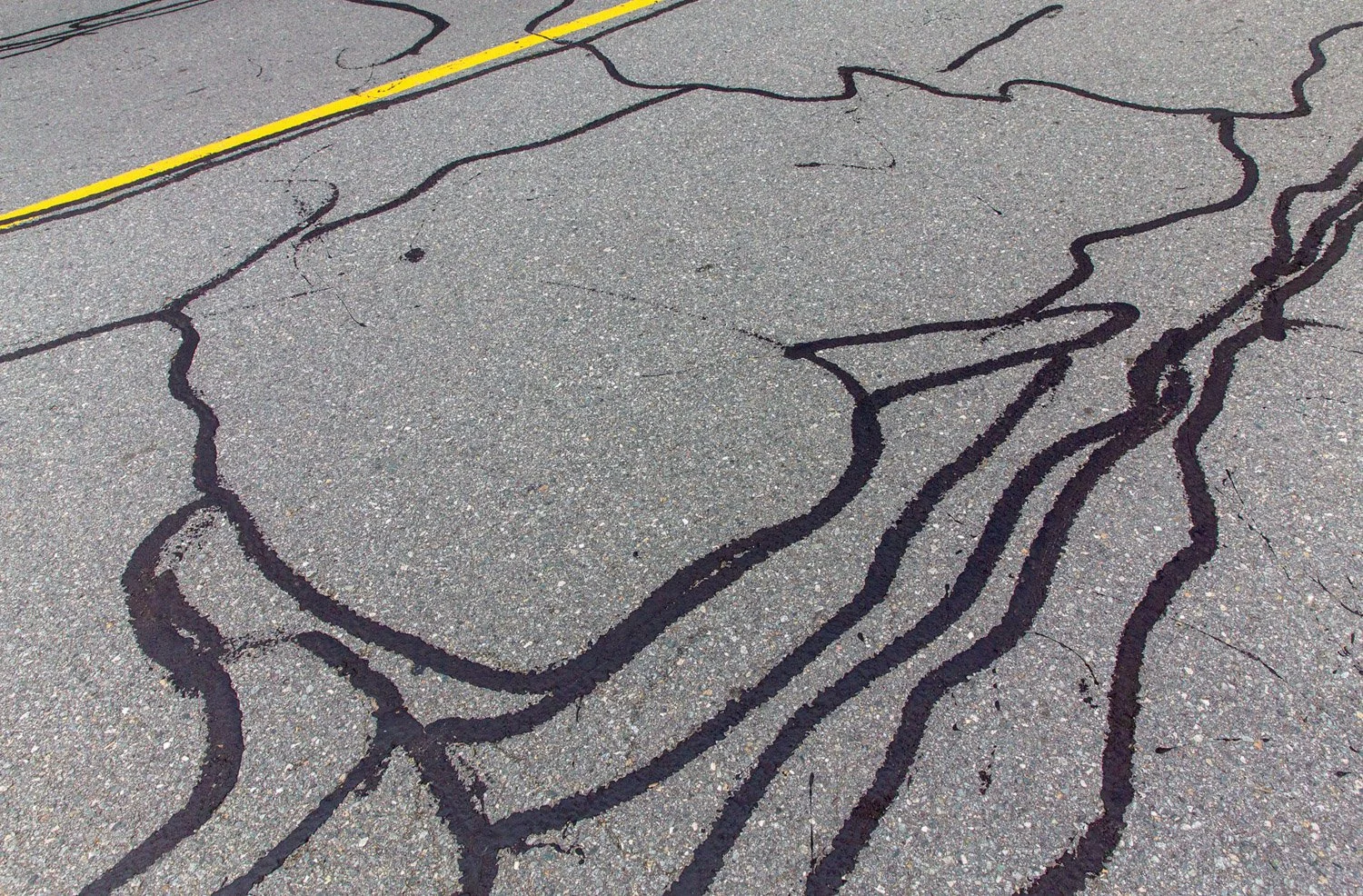
Sealcoat is a thin film. It can't bridge a crack or fill a pothole, and anything it covers will show right back through. Skip the prep and you've just hidden the problem for a few months while water keeps working its way underneath.
The order matters. A properly done job looks like this:
Clean the surface of dirt, debris, and oil.
Fill the cracks so water can't get in. (Here's why crack filling pays off.)
Patch potholes and failed spots. Not sure whether a patch is enough? Read pothole patch vs. full repair.
Sealcoat the repaired surface to protect it.
We do the repairs and the sealcoating, so the surface is ready before the coating goes on. You can see our pothole repair work for more.
Myth 3: You Should Sealcoat Your Asphalt Every Year
The truth: every 2 to 3 years is the usual range. (More often than that can actually do harm!)
Stack coat on top of coat and you get a thick, brittle layer that cracks, flakes, and peels.
Heavy-traffic lots may need a fresh coat closer to the 2-year mark. A quiet residential driveway can often go longer. Weather, shade, and how much traffic the surface sees all play a part.
For a North Carolina-specific look, see how long sealcoating lasts here.
How to tell it's time
The surface has faded from black to gray.
Water soaks in instead of beading up.
Hairline cracks are starting to show up.
You're seeing small loose stones where the surface is wearing thin.
Not sure? We're happy to look at your property and tell you honestly whether it's ready. (HINT: if it looks like a pile of loose rock rather than asphalt, sealcoating won't help.) Think of sealcoating like brushing your teeth: it’s great for prevention, but won’t fix a cavity that’s already formed.
Myth 4: Sealcoating is Only Necessary for Commercial Properties
The truth: any asphalt exposed to sun, rain, and oil benefits from sealcoating.
A home driveway faces the same UV, the same storms, and the same engine leaks as a commercial lot. Sealcoating protects your investment and extends the life of the pavement in both cases.
For homeowners, we have a post called Everything You Need to Know About Sealcoating Your Driveway that walks through the process, then we wrote this one to explain why it matters for Chapel Hill driveways.
The one additional benefit to businesses is that a fresh coat gives new pavement markings like parking stalls and ADA signage a clean, dark surface to stand out against. Green Street Blacktop serves both residential and commercial clients across central North Carolina.
Myth 5: Sealcoating is an Expensive Luxury
The truth: it's one of the most affordable things you can do for your pavement.
Sealcoating usually costs a small fraction of what patching, resurfacing, or replacing damaged asphalt costs. The expensive part is skipping it.
Unprotected asphalt cracks, water gets in, and small problems turn into big repairs. The final price of the work depends on the size of the surface and how much prep it needs, so a quick look at the property is the best way to get a real number.
If you want context on the bigger repairs, here's what asphalt repair costs in Durham.
When Sealcoating Won't Help
Sealcoating is prevention. Some surfaces are past that point:
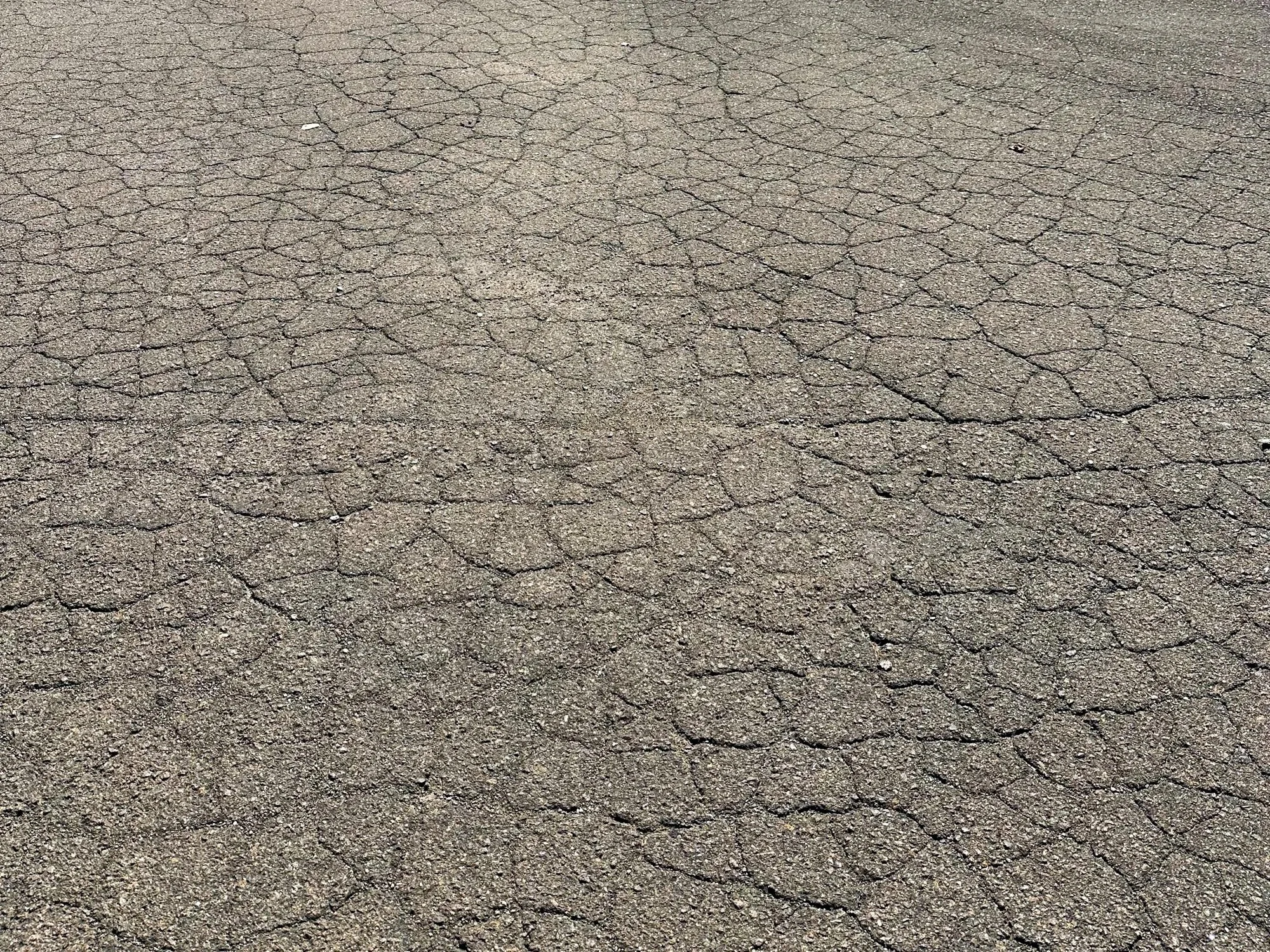
Deep, interconnected cracking (sometimes called alligator cracking), which usually means the base underneath has failed.
Lots of potholes or sunken areas that need patching or rebuilding first.
Standing water from poor drainage, which will undermine a new coat.
Brand-new asphalt that hasn't had time to cure yet.
A quick site visit tells you which category you're in. We'll tell you honestly if the answer is "not yet" or "repair first."
Conclusion
Sealcoating isn't cosmetic, it isn't a repair, it isn't an annual chore, and it isn't just for businesses. It's a simple, well-timed layer of protection that keeps small problems from turning into expensive ones. Get the order right (clean, fill, patch, then seal), and your pavement will reward you for years.
Frequently Asked Questions
How often should I sealcoat my driveway or parking lot?
Most asphalt surfaces should be sealcoated every 2-3 years depending on traffic volume and weather exposure — sealing more often than that can cause a thick, flaky coating that peels.
Does sealcoating fix cracks or potholes?
No — sealcoating is a protective topcoat, not a repair method. Cracks and potholes need to be filled or patched first, with sealcoating applied afterward to protect the repaired surface.
Is sealcoating worth it for a residential driveway, not just commercial lots?
Yes — residential driveways face the same UV, water, and oil exposure as commercial parking lots, so sealcoating protects and extends their life the same way.
How long does sealcoat need to cure before I can drive on it?
Sealcoat typically needs 24-48 hours to cure before vehicle traffic, depending on temperature and humidity.
What is the best time of year to sealcoat in North Carolina?
Spring through early fall is typically best. Sealcoat needs the pavement to be at least 50°F and warming, with no rain in the forecast for about 24 hours after application, so mild, dry stretches work best.
Can I sealcoat a brand-new asphalt driveway?
Not right away. New asphalt needs time to cure and shed its surface oils first, anywhere from about a month to several months depending on the mix and the weather. Check with your paving contractor, or ask us, before you seal.
Ready to protect your driveway or parking lot the right way? Get a quote and we'll take a look.
Request a Sealcoating Quote in Durham, NC
Green Street Blacktop provides expert sealcoating services for residential driveways and commercial parking lots throughout Durham, North Carolina and the surrounding Triangle area. Reach out today for a free quote, or ask us any questions about protecting your asphalt investment.