TL;DR
For small, localized damage like a single pothole or minor crack, pothole patching is the more affordable, faster fix for Chapel Hill driveways — but full asphalt repair is the better call once the damage is extensive or the asphalt is nearing the end of its 15-to-20-year lifespan. Patching typically runs $250 to $2,500, while a full repair costs more upfront but adds years of durability and curb appeal.
If you've noticed cracks, holes, or other damage on your driveway, you're probably wondering what the best course of action is to fix it. For homeowners and property managers in Chapel Hill, the question often comes down to this: should you go for a quick pothole patch, or is it time for a full-scale asphalt repair?
In this article, we'll break down the differences between pothole patching and full asphalt repair, helping you make the best choice for your driveway or parking lot based on the condition of your asphalt, your budget, and your long-term goals.
Table of Contents
- Why Does Asphalt Crack?
- Pothole Patching: A Quick Fix for Minor Damage
- Full Asphalt Repair: A Long-Term Solution
- When to Choose Pothole Patching
- When to Choose Full Asphalt Repair
- Environmental Considerations: Patching vs. Repair
- Pothole Patching Costs
- Which Option Is Right for Your Chapel Hill Driveway?
- Why Choose Green Street Blacktop?
- Request an Asphalt Repair Quote in Chapel Hill, NC
Why Does Asphalt Crack?
Asphalt is tough, but it's not indestructible. Over time, it can crack and break down due to several factors:
Weather: In places like Chapel Hill, where we experience hot summers and relatively mild winters, temperature changes can take a toll on asphalt. The sun's heat can cause the surface to expand and crack, while rainwater can seep into the asphalt and weaken it over time.
Traffic: Driveways and parking lots that experience heavy traffic are more likely to develop cracks and potholes. Constant weight and pressure from vehicles can wear down the surface, leading to damage.
Age: Even with proper maintenance, asphalt doesn't last forever. After years of use, it will naturally begin to deteriorate and show signs of wear.
When asphalt starts to crack or form potholes, repairs are necessary to prevent the problem from getting worse. But what's the right repair method for your situation?
Pothole Patching: A Quick Fix for Minor Damage
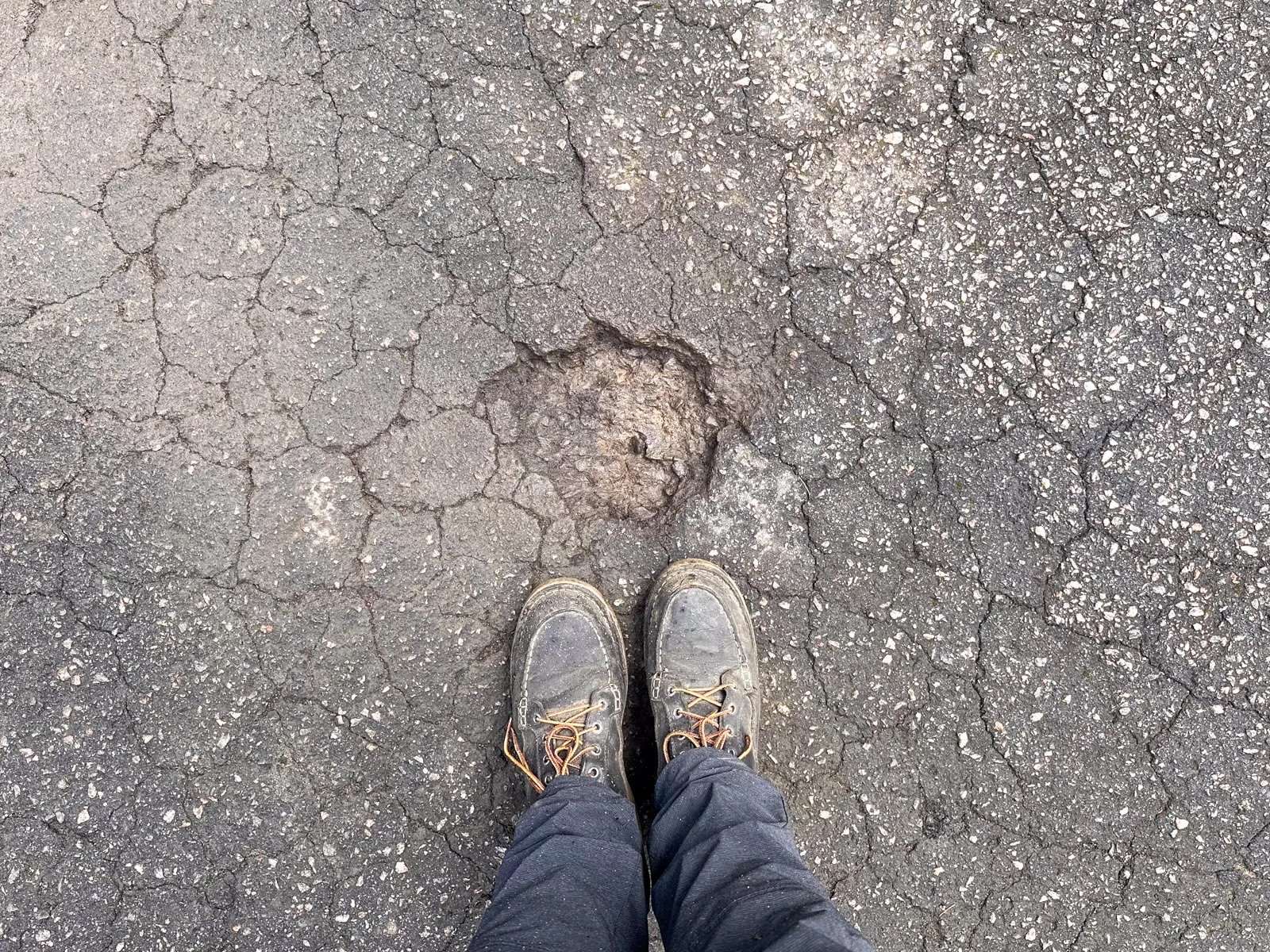
Pothole patching is a fast and relatively inexpensive way to fix small areas of damage on your driveway or parking lot. If you're dealing with a small pothole or a localized crack, patching can often provide a temporary solution until more extensive repairs are needed.
Pros of Pothole Patching
Cost-Effective: Pothole patching is one of the most affordable options for fixing damaged asphalt. If you're dealing with a small issue, patching can save you money in the short term.
Quick Turnaround: Patching can be done quickly, often in just a few hours. This makes it a great option if you need to fix a problem fast without major disruptions.
Prevents Further Damage: Pothole patching can help prevent the damage from spreading. By filling in the hole or crack, you reduce the risk of water seeping into the asphalt and causing more extensive damage down the line.
Cons of Pothole Patching
Not Suitable for Large Damage: If your driveway has extensive damage or if the asphalt is showing signs of aging, patching may not be enough. In these cases, a more thorough repair is usually needed.
Full Asphalt Repair: A Long-Term Solution
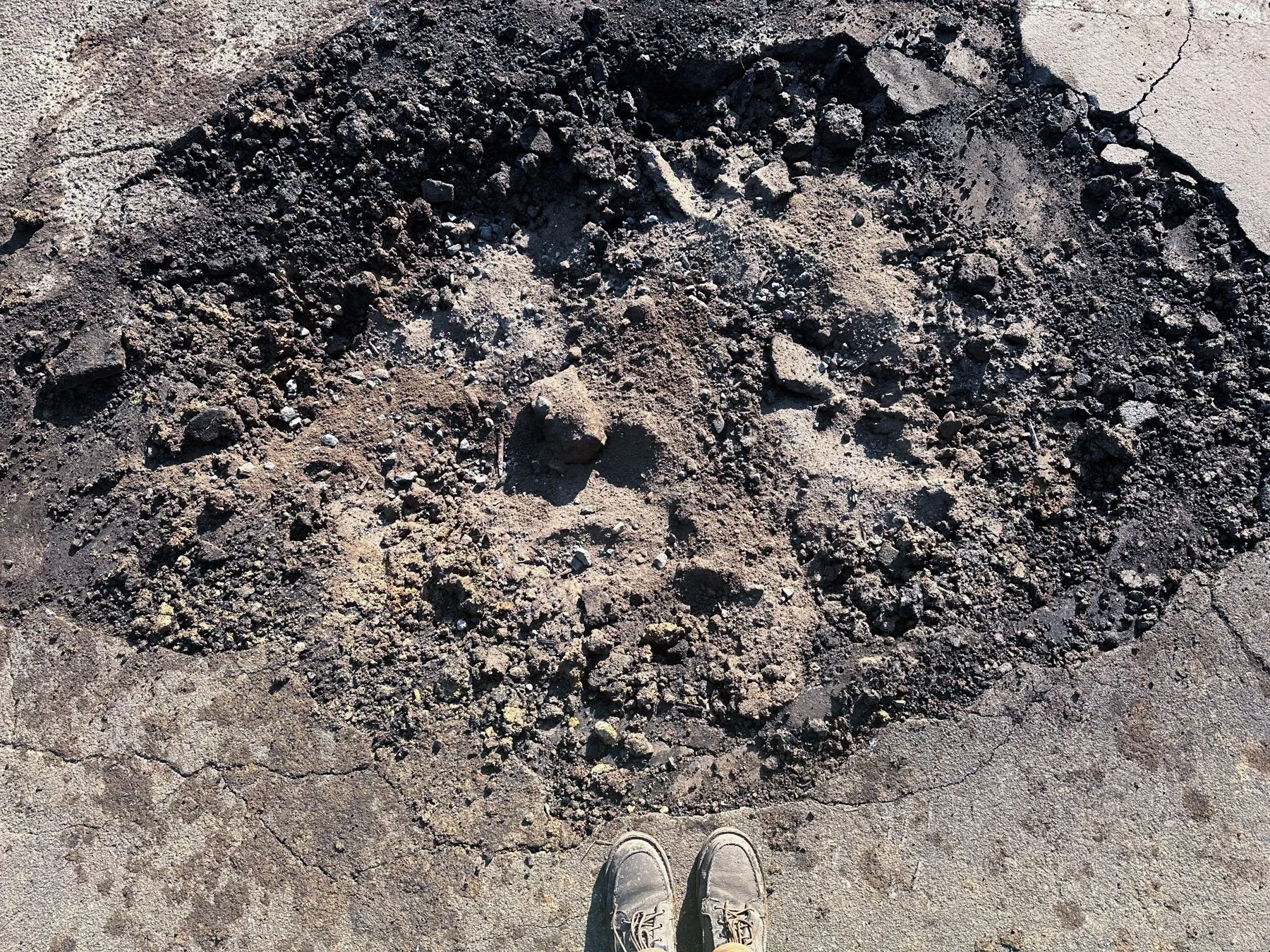
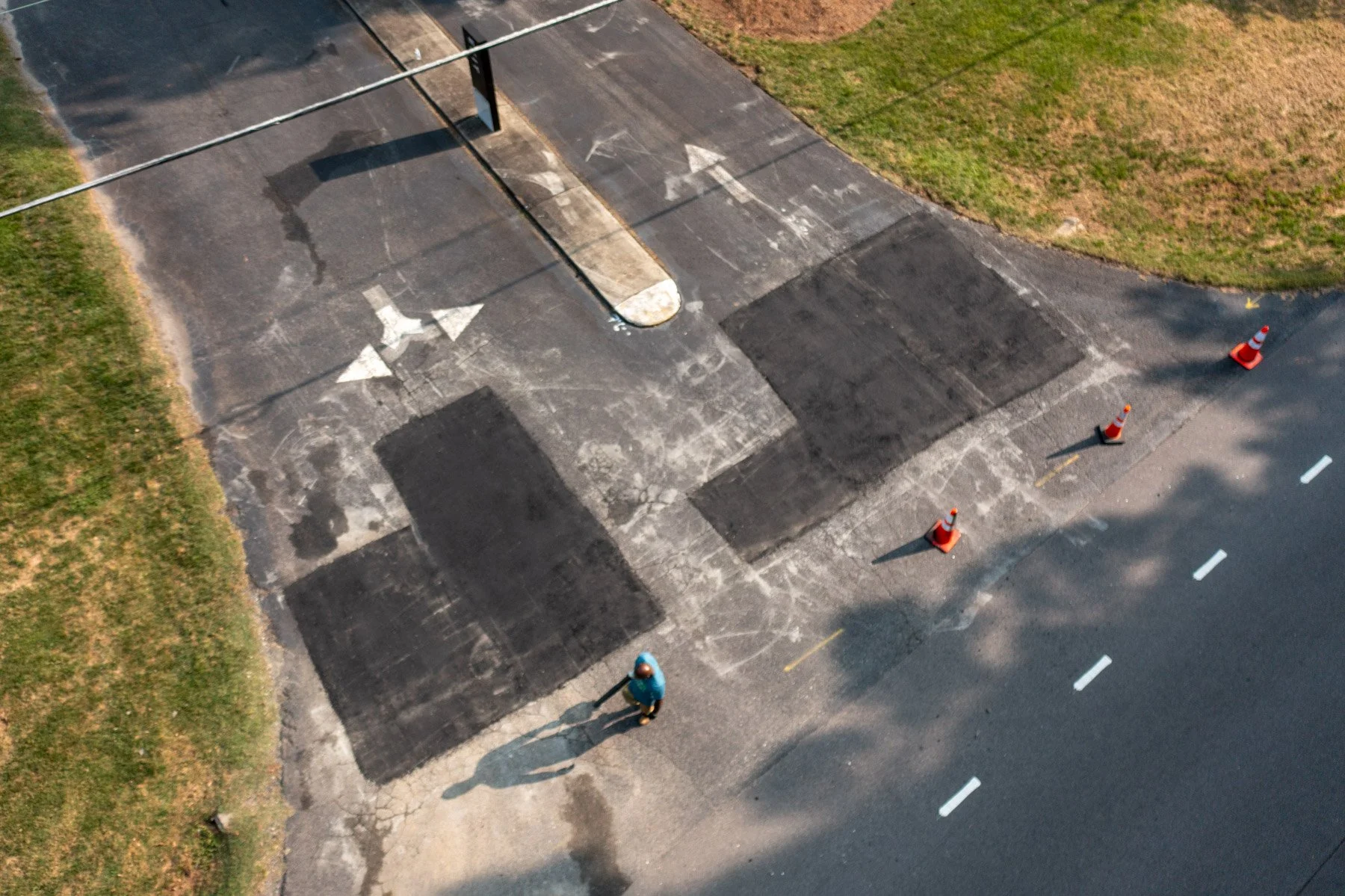
If your driveway or parking lot has significant damage, a full asphalt repair may be the best option. Full asphalt repair involves removing and replacing the damaged asphalt, addressing underlying structural issues, and resurfacing the area.
Pros of Full Asphalt Repair
Long-Lasting Results: A full asphalt repair provides a long-term solution for damaged driveways. By addressing the root cause of the damage, you're not just fixing the surface — you're preventing future problems as well.
Improves Structural Integrity: Full asphalt repair involves removing damaged sections of asphalt and repairing any underlying issues. This helps improve the structural integrity of your driveway, making it more resistant to future damage.
Enhances Curb Appeal: If your driveway or parking lot is looking worn out, a full repair can make it look brand new again. This boosts your property's curb appeal and can increase its value.
Increased Safety: A smooth, well-maintained asphalt surface reduces the risk of accidents for both vehicles and pedestrians. Full repairs remove any large cracks or potholes that could cause trips, falls, or vehicle damage.
Cons of Full Asphalt Repair
Higher Cost: Full asphalt repair is more expensive than patching. While it provides a more durable and long-lasting solution, the upfront cost can be significant.
Takes More Time: Full asphalt repair is a more intensive process that takes longer to complete than a simple patch job. Depending on the size of your driveway or parking lot, it may require a few days to a week to finish the project.
When to Choose Pothole Patching
Pothole patching is a good option if:
You're dealing with a small, localized issue such as a single pothole or minor crack.
You're looking for a quick, temporary fix to prevent the problem from getting worse.
You're on a tight budget and need a low-cost solution.
If your driveway or parking lot is in generally good condition but has a few minor issues, patching can be an effective way to maintain it until more extensive repairs are needed. However, it's important to remember that patching is a temporary solution and may need to be redone in the future.
When to Choose Full Asphalt Repair
Full asphalt repair is the better choice if:
Your driveway has extensive damage, such as large cracks, multiple potholes, or significant surface wear.
The asphalt is old and showing signs of deterioration across a large area.
You want a long-term solution that improves both the appearance and durability of your driveway or parking lot.
If your asphalt is nearing the end of its lifespan or if the damage is too severe for patching to fix, a full asphalt repair will provide the best results. While it requires a larger upfront investment, the long-term benefits of a full repair make it worth the cost.
Environmental Considerations: Patching vs. Repair
At Green Street Blacktop, we're committed to using environmentally friendly processes for both pothole patching and full asphalt repair. Here's how both methods stack up from an environmental perspective:
Pothole Patching: Patching can be done using eco-friendly materials, such as cold patch asphalt, which is made from recycled materials. This helps reduce waste and minimize the environmental impact of the repair. However, because patching is a temporary fix, it may need to be redone, which can result in additional materials and resources being used over time.
Full Asphalt Repair: Full asphalt repair allows us to address underlying issues and create a more durable surface that requires fewer repairs in the future. We also recycle as much old asphalt as possible during the repair process, reducing waste and making the project more sustainable.
Whether you choose pothole patching or full asphalt repair, our team prioritizes eco-friendly practices at every step of the process.
Pothole Patching Costs
The cost of asphalt repairs can vary depending on the size of your driveway, the extent of the damage, and the type of repair you choose.
Pothole patching is generally more affordable, with costs typically ranging from $250 to $2,500 for a smaller repair. The price will depend on the size and depth of the pothole or crack being repaired.
Which Option Is Right for Your Chapel Hill Driveway?
So, how do you decide whether to patch or fully repair your driveway? Here are a few questions to consider:
How extensive is the damage? If you're dealing with minor cracks or a single pothole, patching may be enough. But if the damage is widespread, a full asphalt repair will provide a more durable solution.
How old is your driveway? If your driveway is nearing the end of its lifespan (typically 15 to 20 years for asphalt), a full repair is probably the best option. For newer driveways, patching can help extend the life of the asphalt until more significant repairs are needed.
What's your budget? If you need a quick, low-cost fix, patching is the more affordable option. But if you're able to invest in a long-term solution, full asphalt repair will save you money in the long run by reducing the need for future repairs.
If patching sounds like the right fit for your driveway, our pothole repair service can get it fixed fast. Get a quote and we'll take a look.
Why Choose Green Street Blacktop?
At Green Street Blacktop, we understand the unique needs of homeowners and property managers in Chapel Hill and the surrounding areas. Whether you're looking for a quick pothole patch or a full asphalt repair, our team of experts is here to help. We offer a range of asphalt services, including infrared asphalt patching, sealcoating, crack filling, and line striping, and we're committed to providing excellent customer service and using environmentally friendly practices.
Frequently Asked Questions
How much does pothole patching cost in Chapel Hill?
A smaller pothole patch typically runs $250 to $2,500, depending on the size and depth of the damage being repaired.
How long does asphalt last before it needs a full repair instead of a patch?
Asphalt typically lasts 15 to 20 years; once a driveway or lot approaches that age, a full repair usually makes more sense than continuing to patch it.
Is pothole patching an eco-friendly repair option?
Yes — cold patch asphalt is made from recycled materials, though because patching is a temporary fix it may need to be redone more than once over the life of a driveway.
What does a full asphalt repair actually involve?
A full repair removes and replaces the damaged asphalt, addresses underlying structural issues, and resurfaces the area — and we recycle as much of the old asphalt as possible in the process.
Get an Asphalt Repair Quote in Chapel Hill, NC
If you're unsure whether your driveway needs a quick patch or a full repair, we'd be happy to help. Contact us today for a free quote or a friendly opinion on the best way to fix your driveway. We'll work with you to assess the damage and recommend the best course of action to keep your asphalt in top shape.