TL;DR
Oil leaking onto asphalt softens the pavement, turning small cracks into potholes and creating a slip-and-fall risk that can cost a property owner $15,000 to $45,000 or more in a settlement. Green Street Blacktop repairs oil-damaged asphalt in the Durham and Raleigh area using infrared repair or the saw-cut-and-replace method, depending on how far the damage has spread.
Oil spots on asphalt are more than just ugly stains. In North Carolina, they can lead to big problems if not fixed quickly. Let's explore why oil spots are bad for your asphalt and how to fix them.
Why Are Oil Spots Harmful?
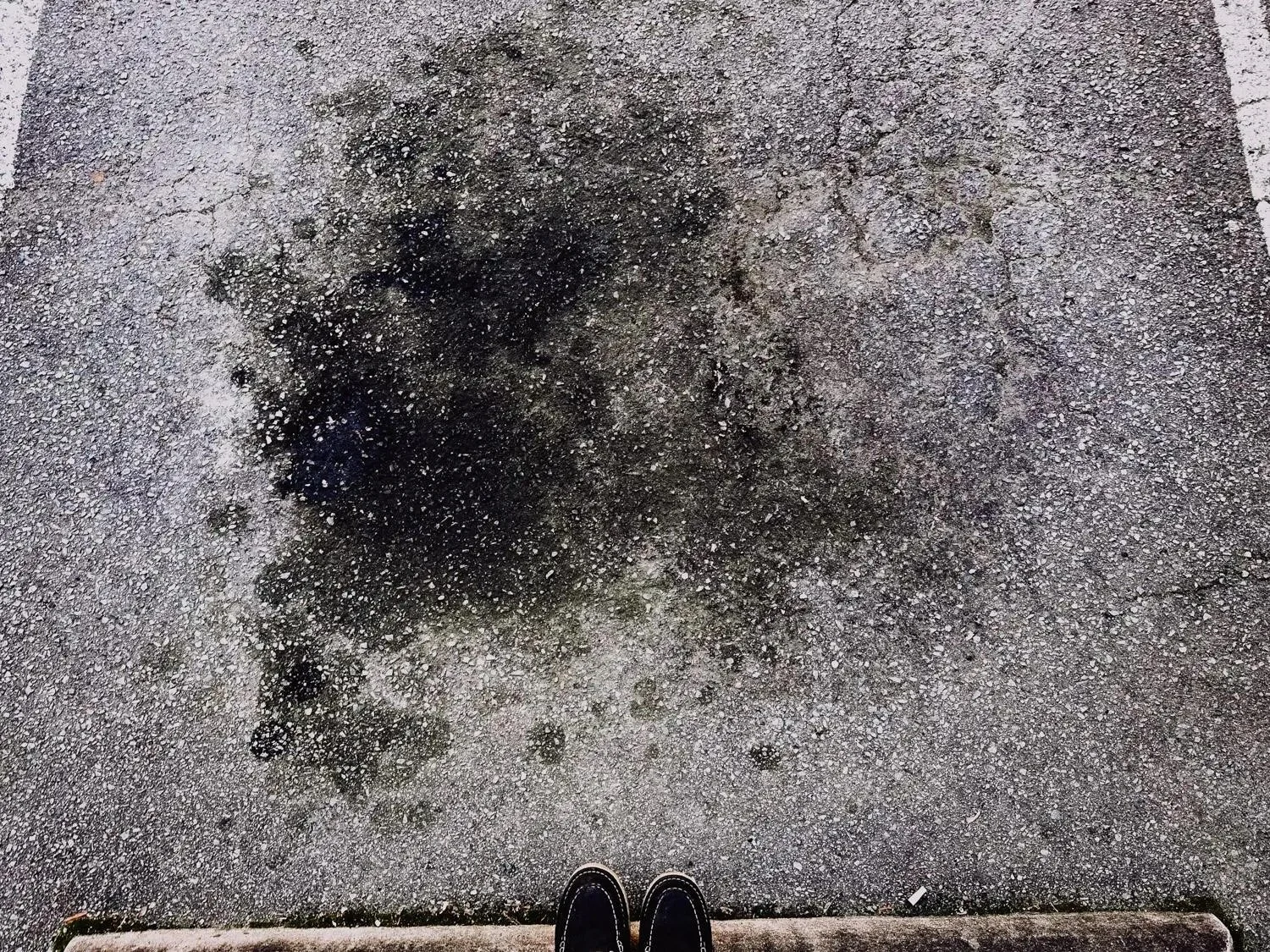
Oil leaks from cars and trucks happen all the time. When oil drips onto asphalt, it starts to break down the pavement. Here's what can happen:
Damage to the Asphalt: Oil softens the asphalt, making it weak. Over time, this can lead to cracks and potholes.
Slip and Fall Hazards: Oil spots are slippery. People walking over them can easily slip and fall. This can be dangerous for customers or visitors.
Legal Liabilities: You might face a lawsuit if someone gets hurt because of an oil spot on your property. Slip and fall settlements can be very costly.
Unsightly Appearance: Oil stains make your parking lot or driveway look dirty and poorly maintained.
How Do Oil Spots Create Potholes?
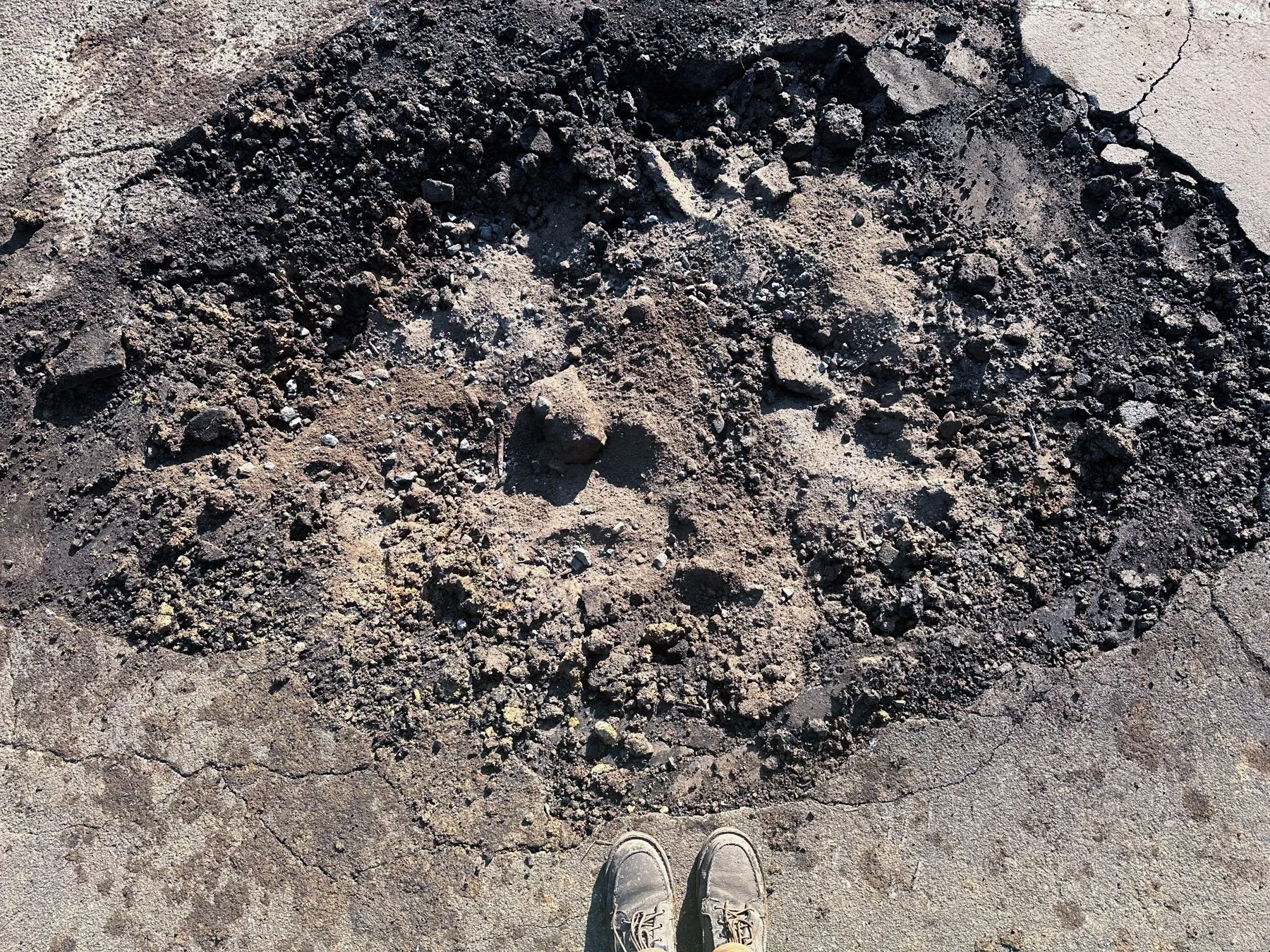
When oil weakens the asphalt, it can't hold up under the weight of vehicles. The pavement starts to crumble. Small cracks turn into bigger cracks. Eventually, chunks of asphalt break away, forming potholes.
Potholes are not only annoying; they can damage cars and create more safety hazards.
The Risk of Slip and Fall Accidents
Oil spots are slick, especially when wet. People walking over them might lose their footing. Businesses have a responsibility to keep their property safe. If someone slips and falls, the business could be held responsible.
Did You Know?
The average cost of a slip and fall lawsuit settlement ranges from $15,000 to $45,000 or more.
Medical bills, legal fees, and compensation for pain and suffering can add up quickly.
How We Repair Oil Spots
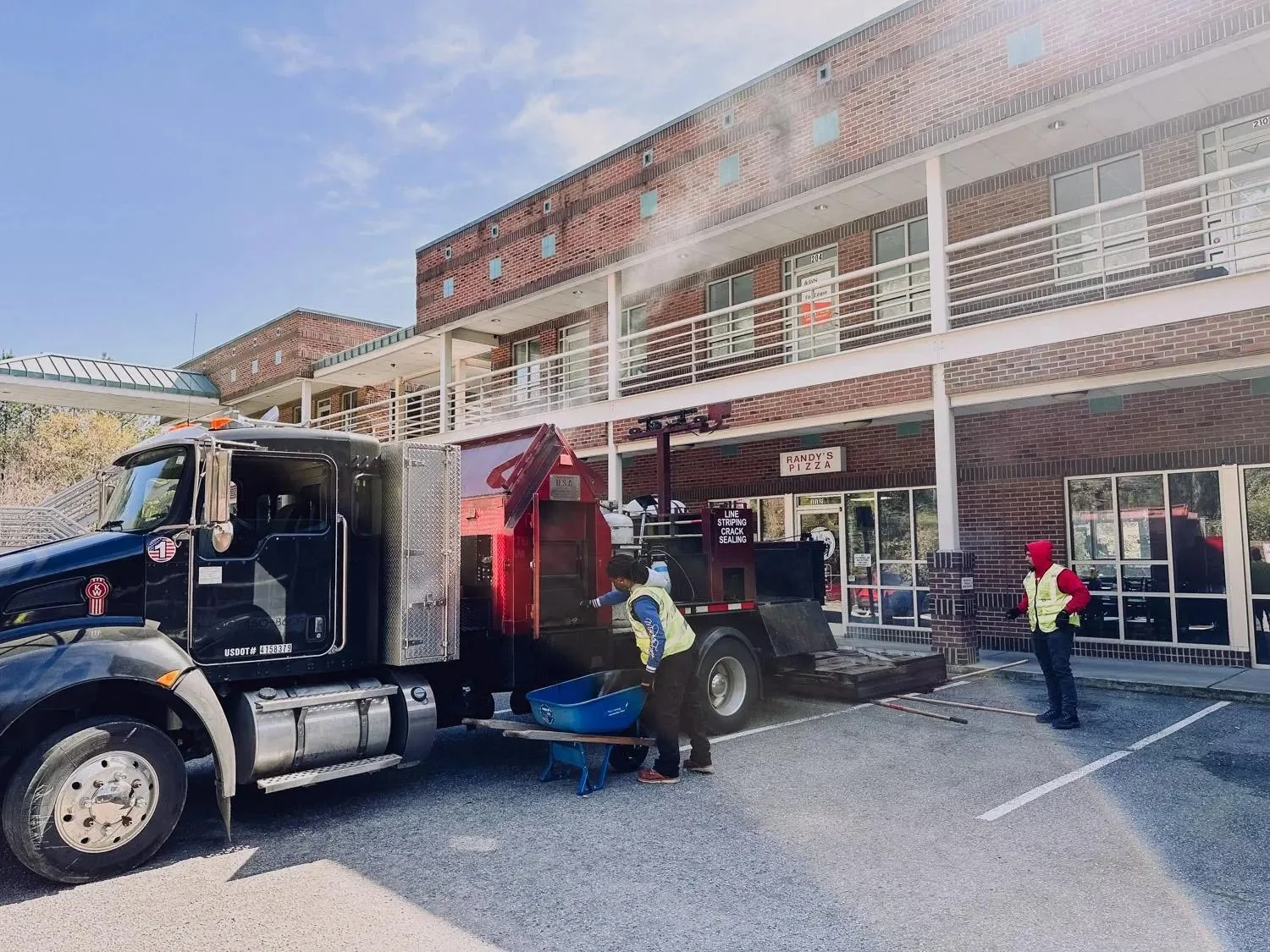
Fixing asphalt oil spots properly is essential. Here's how we do it, starting with infrared asphalt repair.
Infrared Asphalt Repair
Benefits of Infrared Repair:
Fast and Efficient: Repairs can be done quickly, minimizing disruption.
Cost-Effective: Less labor and materials mean savings for you.
Environmentally Friendly: Reuses existing asphalt, reducing waste.
Saw Cut and Replace Method
Cutting Out the Damaged Area: We saw cut around the oil spot to remove the affected asphalt.
Applying a Tack Coat: This sticky substance helps the new asphalt adhere to the old.
Adding New Hot Mix Asphalt: We fill the area with fresh asphalt.
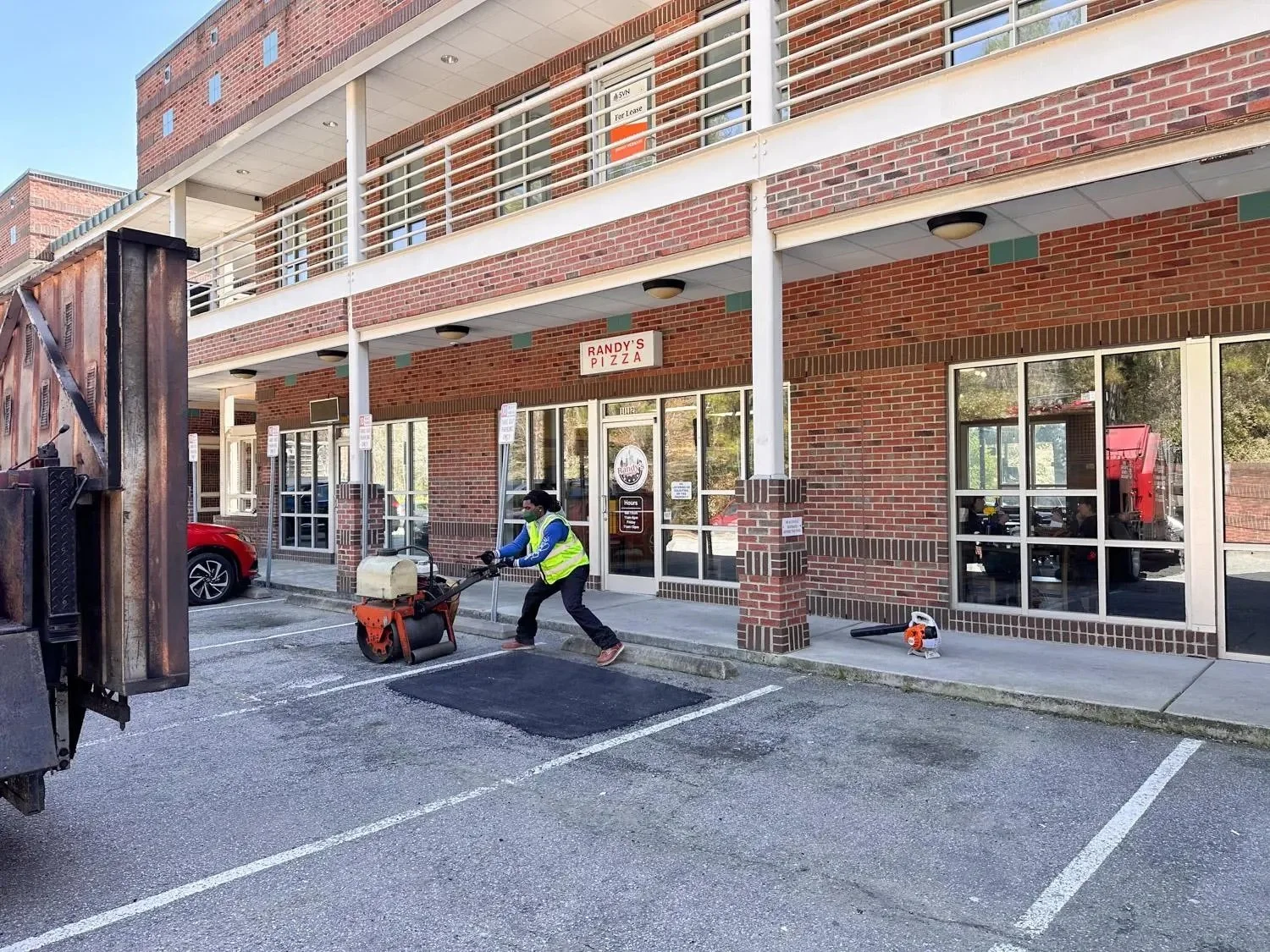
Compact and Smooth: The new asphalt is compacted to match the surrounding pavement.
Benefits of Saw Cut and Replace:
Durable Repair: Provides a long-lasting fix.
Complete Removal: Ensures all damaged asphalt is taken out.
Protecting Your Investment
Your asphalt is a big investment. Regular maintenance keeps it in good shape and extends its life. Repairing oil spots promptly helps prevent bigger problems down the road.
In order to prevent oil spot damage in the first place, plan to:
Conduct Regular Inspections: Check your pavement for oil spots and other damage.
Clean Spills Quickly: Use absorbent materials to soak up fresh oil spills.
Sealcoat every 2-3 years: Applying a sealcoat creates a protective layer against oil and other substances.
Educate your Employees: Teach staff to report spills or leaks right away.
Ignoring oil spots can lead to lost business, expensive repairs, and even legal issues. Small problems become big ones if left untreated, so make sure you protect your investment!
Frequently Asked Questions
How do I know if an oil spot has already started to damage my asphalt?
Look for a soft or spongy feel underfoot, cracking radiating out from the stain, or a slight depression where the oil has been sitting — these are signs the asphalt itself is breaking down, not just cosmetic staining.
What's the difference between infrared repair and the saw-cut-and-replace method?
Infrared repair reheats and reuses the existing asphalt in place, which is faster and less disruptive. Saw-cut-and-replace removes the damaged section entirely, applies a tack coat, and installs fresh hot mix asphalt — a more thorough fix when the oil has fully compromised the pavement.
Can sealcoating fix an oil spot that's already there?
No — sealcoating is a preventive measure applied before oil damage occurs. Once oil has softened the asphalt, the damaged area needs to be repaired first, and sealcoating can then help protect the surrounding pavement going forward.
How costly can it be to ignore an oil spot on a commercial property?
Beyond the repair itself, an unaddressed oil spot that leads to a slip-and-fall claim can result in a settlement of $15,000 to $45,000 or more once medical bills, legal fees, and compensation are factored in.
Does Green Street Blacktop repair oil spots outside Durham?
Yes — we serve Durham, Raleigh, and the broader central North Carolina area for oil spot repair and other asphalt maintenance work.
Noticed oil damage on your lot or driveway? Get a quote and we'll take a look. We offer
Expertise: We have the tools and knowledge to fix oil spots correctly.
Quality Materials: We use top-grade asphalt for lasting repairs.
Customer Service: Your satisfaction is our priority.
Serving Durham and Raleigh: We proudly serve central North Carolina.
Don't let a small oil stain turn into a big headache. Contact us today for a free inspection and estimate, and we'll help keep your pavement safe, attractive, and long-lasting.