
Best Driveway Materials: Asphalt vs. Concrete for Raleigh, NC Homes
TL;DR
For most Raleigh homeowners, asphalt costs less upfront and flexes well through the region's freeze-thaw winters, while concrete costs more to install but lasts longer with less maintenance. Choose asphalt for a quicker, budget-friendly install, or concrete for longer-term durability.
If you're a homeowner in Raleigh, NC, considering a new driveway or replacing your existing one, choosing the right material is crucial. Your driveway plays a significant role in your home's curb appeal, functionality, and long-term maintenance costs. When it comes to selecting the best driveway material, two popular options are asphalt and concrete. Both have their strengths, but which one is right for your home?
Table of Contents
- Understanding the Raleigh Climate and Its Impact on Driveways
- 1. Asphalt Driveways: Affordable, Flexible, and Quick to Install
- 2. Concrete Driveways: Durable, Low-Maintenance, and Long-Lasting
- 3. Asphalt vs. Concrete: Which Is Best for Raleigh Homes?
- 4. Maintenance Tips for Asphalt and Concrete Driveways
- Request an Asphalt Repair Quote in Raleigh, NC
In this guide, we'll break down the pros and cons of asphalt and concrete driveways, helping you make an informed decision based on your needs, budget, and the unique weather conditions in Raleigh. By the end of this article, you'll have a clear understanding of which driveway material is best suited for your home.
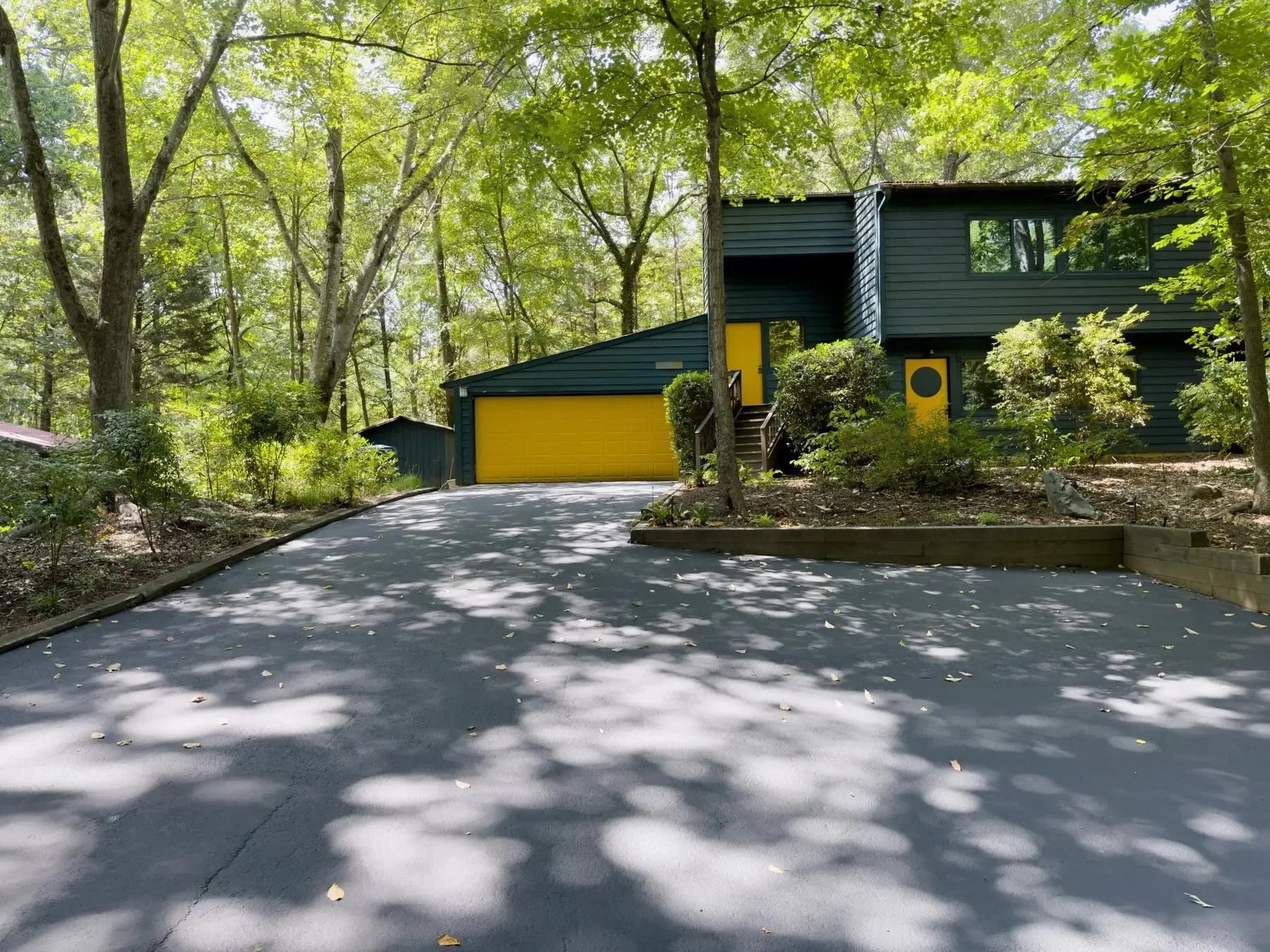
Understanding the Raleigh Climate and Its Impact on Driveways
Before we dive into the specific benefits of asphalt and concrete, it's important to consider Raleigh's climate. We experience hot, humid summers and mild to cold winters with occasional freezing temperatures. These weather patterns, especially the freeze-thaw cycles, can impact your driveway's durability and longevity.
Both asphalt and concrete are suitable for Raleigh's climate, but each reacts differently to temperature fluctuations. Understanding how each material performs in these conditions will help you choose the best option for your driveway.
1. Asphalt Driveways: Affordable, Flexible, and Quick to Install
Asphalt is a popular driveway material for homeowners in Raleigh for several reasons. It's often chosen because it's affordable, flexible, and relatively easy to install.
Advantages of Asphalt Driveways
Cost-Effective: One of the main reasons homeowners choose asphalt is because it's typically more affordable than concrete. According to HomeAdvisor, the average cost to install an asphalt driveway is lower than a concrete driveway, making it a great choice for budget-conscious homeowners.
Quick Installation: Asphalt driveways can be installed and ready to use in just a couple of days. This quick installation process is convenient if you need a new driveway in a hurry.
Flexibility in Extreme Temperatures: Asphalt is known for its flexibility, which allows it to withstand temperature changes more effectively. This is particularly important in places like Raleigh, where we experience both high heat in the summer and freezing temperatures in the winter. The flexibility of asphalt helps it handle the freeze-thaw cycles better than concrete, which can crack under the pressure.
Easy Repairs: If your asphalt driveway does develop cracks or potholes, repairs are relatively easy and cost-effective. Asphalt can be patched or resurfaced without the need to replace the entire driveway.
Disadvantages of Asphalt Driveways
Shorter Lifespan: While asphalt is affordable and easy to repair, it generally has a shorter lifespan than concrete. Most asphalt driveways last about 20-25 years with proper maintenance.
Maintenance Requirements: Asphalt driveways require regular maintenance, including sealcoating every two to three years to protect the surface from damage caused by UV rays, oil spills, and water. Without proper maintenance, asphalt can deteriorate more quickly.
Color Fading: Over time, the deep black color of asphalt can fade to a dull gray due to exposure to the sun and elements. Regular sealcoating can help maintain its appearance.
For more detailed information on the benefits of asphalt, check out The National Asphalt Pavement Association.
2. Concrete Driveways: Durable, Low-Maintenance, and Long-Lasting
Concrete is another popular choice for driveways in Raleigh due to its durability and low maintenance. It's a more expensive option upfront, but many homeowners see it as a long-term investment.
Advantages of Concrete Driveways
Durability and Longevity: One of the biggest selling points of concrete driveways is their long lifespan. A well-installed concrete driveway can last 30-40 years or more, making it a great long-term investment. Concrete is resistant to wear and tear from heavy vehicles, making it an ideal choice for homeowners with multiple cars or trucks.
Low Maintenance: Unlike asphalt, concrete requires very little maintenance. While occasional cleaning and sealing can help preserve its appearance, concrete driveways don't need the regular sealcoating that asphalt requires.
Aesthetic Options: Concrete offers more aesthetic options than asphalt. Homeowners can choose from various finishes, including stamped or stained concrete, which can mimic the look of more expensive materials like brick or stone. This customization allows homeowners to add a unique touch to their driveway and enhance their home's curb appeal.
Resistant to High Temperatures: Concrete driveways perform well in hot climates because they don't soften or become sticky like asphalt can. This makes concrete a good choice if your driveway gets a lot of sun exposure during Raleigh's hot summers.
Disadvantages of Concrete Driveways
Higher Initial Cost: The upfront cost of installing a concrete driveway is higher than asphalt. According to HomeGuide, the cost per square foot for concrete can be significantly more than asphalt, making it a bigger investment.
Vulnerability to Cracking in Cold Weather: Concrete is more prone to cracking in cold weather, especially in climates with freeze-thaw cycles like Raleigh. Once cracks form, they can be difficult and costly to repair, and unlike asphalt, they can't be easily patched or resurfaced.
Longer Installation Time: Installing a concrete driveway takes longer than asphalt. After pouring the concrete, it needs time to cure properly, which can take up to a week. This longer installation process may be inconvenient if you need quick access to your driveway.
If you're interested in exploring different concrete finishes and styles, Concrete Network has a range of design ideas to inspire your project.
3. Asphalt vs. Concrete: Which Is Best for Raleigh Homes?
Now that we've compared the pros and cons of both asphalt and concrete, let's consider which material might be the best fit for your Raleigh home.
Asphalt Is Ideal If You:
Are looking for a cost-effective solution.
Want a quick installation process.
Need a driveway that can handle extreme temperature changes without cracking.
Are willing to invest in regular maintenance to keep your driveway looking its best.
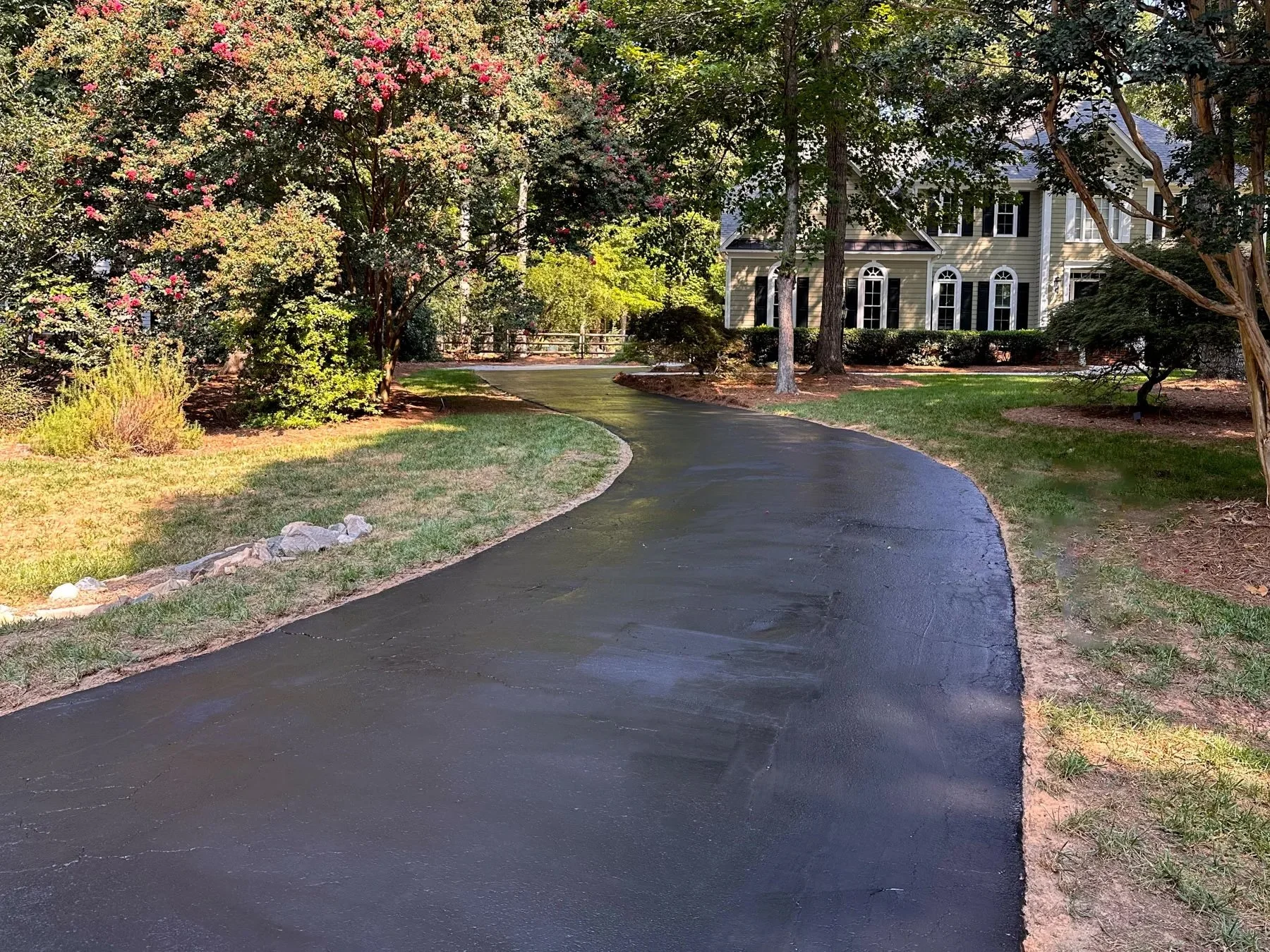
Asphalt is a great option if you're working with a tighter budget or need a driveway that can flex with the temperature changes we experience in Raleigh. With regular crack filling and sealcoating, an asphalt driveway can last many years.
Concrete Is Ideal If You:
Prefer a long-lasting, low-maintenance solution.
Are willing to invest more upfront for a driveway that will last 30-40 years or more.
Want aesthetic flexibility with options like stamped or stained concrete.
Don't mind a longer installation time.
Concrete may be the better choice if you're looking for a driveway with long-term durability and a more polished appearance. While it costs more initially, the low maintenance and longevity may make it a worthwhile investment.
4. Maintenance Tips for Asphalt and Concrete Driveways
No matter which material you choose, proper maintenance is key to extending the life of your driveway. Here are a few maintenance tips to keep in mind:
For Asphalt:
Sealcoating every 2-3 years helps protect against UV rays, water, and oil spills.
Crack filling should be done as soon as cracks appear to prevent further damage.
Keep your driveway clean and free of debris to avoid buildup that can cause wear.
For Concrete:
Sealing the surface every few years can help protect against stains and extend the life of the driveway.
Avoid using harsh chemicals, like de-icing salts, which can damage the concrete during winter months.
Regular cleaning with water and a mild detergent helps maintain the appearance.
Not sure which material makes sense for your budget and timeline? Reach out and we'll be happy to walk you through it.
Frequently Asked Questions
Is asphalt or concrete cheaper for a Raleigh driveway?
Asphalt is typically the lower-cost option both for the initial install and for future repairs, though it does need sealcoating every 2 to 3 years to hold up over time.
How long does an asphalt driveway last compared to concrete?
Asphalt driveways typically last 20 to 25 years with regular maintenance, while a well-installed concrete driveway can last 30 to 40 years or more.
Does concrete crack more than asphalt in cold weather?
Yes — concrete is more prone to cracking during freeze-thaw cycles, while asphalt's flexibility lets it handle temperature swings without cracking as easily.
How often does an asphalt driveway need sealcoating?
Every 2 to 3 years, to protect the surface against UV rays, oil spills, and water damage.
Can I use recycled materials for either driveway type?
Yes — recycled asphalt (RAP) is one of the most recycled materials in the U.S., and concrete driveways can incorporate recycled aggregate as a more eco-friendly option.
Whether you're leaning toward asphalt or concrete, our team can walk you through the trade-offs for your specific property and budget. Reach out today for a free quote or just to talk through your options — we're happy to give you a straight answer.