
Storm Drain Repair
Storm drains manage runoff and protect your property from erosion, standing water, and foundation issues, so when something underneath fails, it’s an important fix. Collapsed pipes, shifting ground, and deterioration around the inlet are the usual causes. We repair everything from a loose grate to a full box replacement, working on both the surface structure and the drainage system underneath it. Whether it's a catch basin that needs resetting or a full pipe replacement, we make sure water actually flows where it's supposed to.
Signs it’s time for Drain Repair:
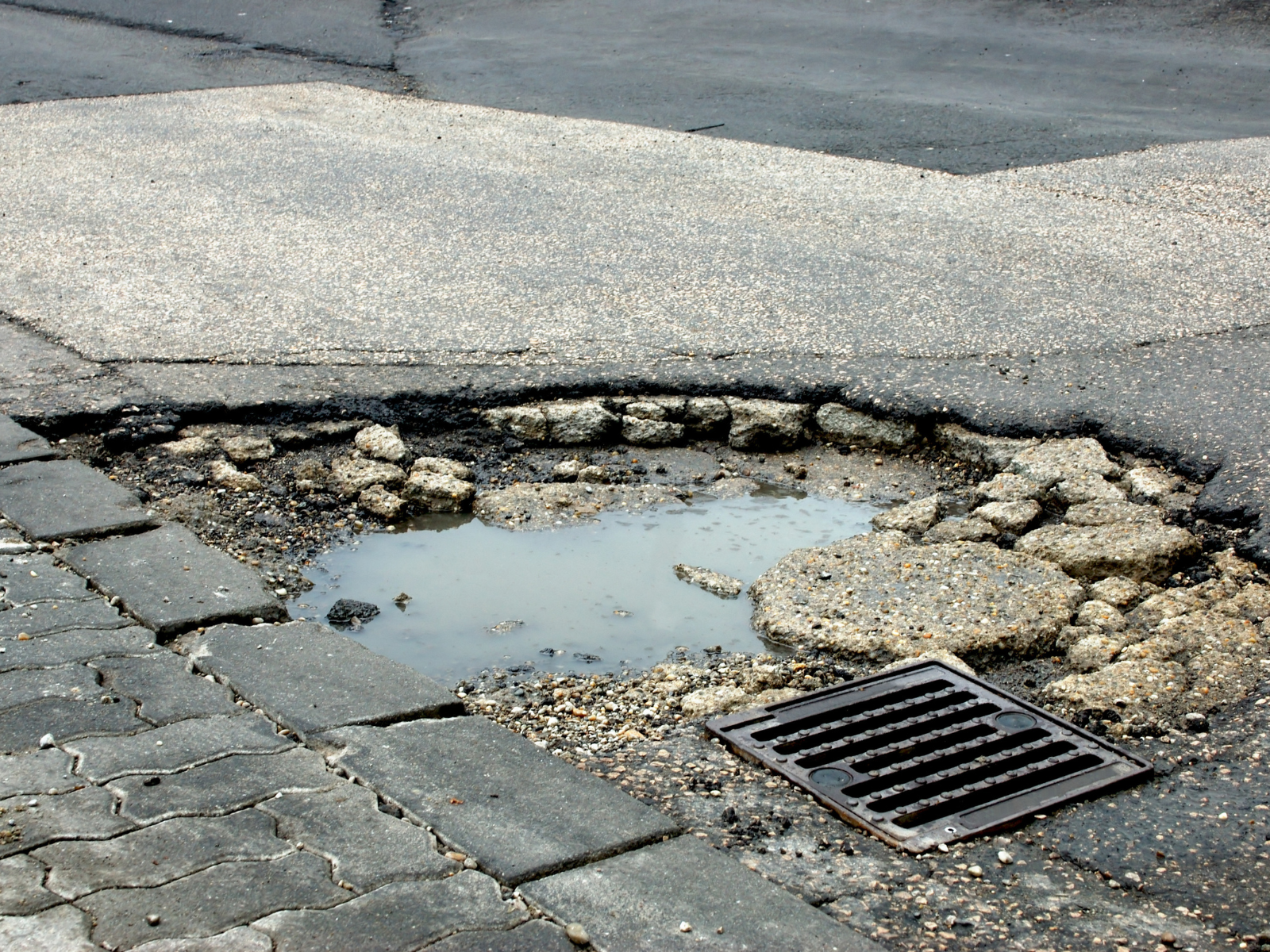
Water pooling around a drain instead of flowing into it
A grate that's loose, cracked, or sitting unevenly
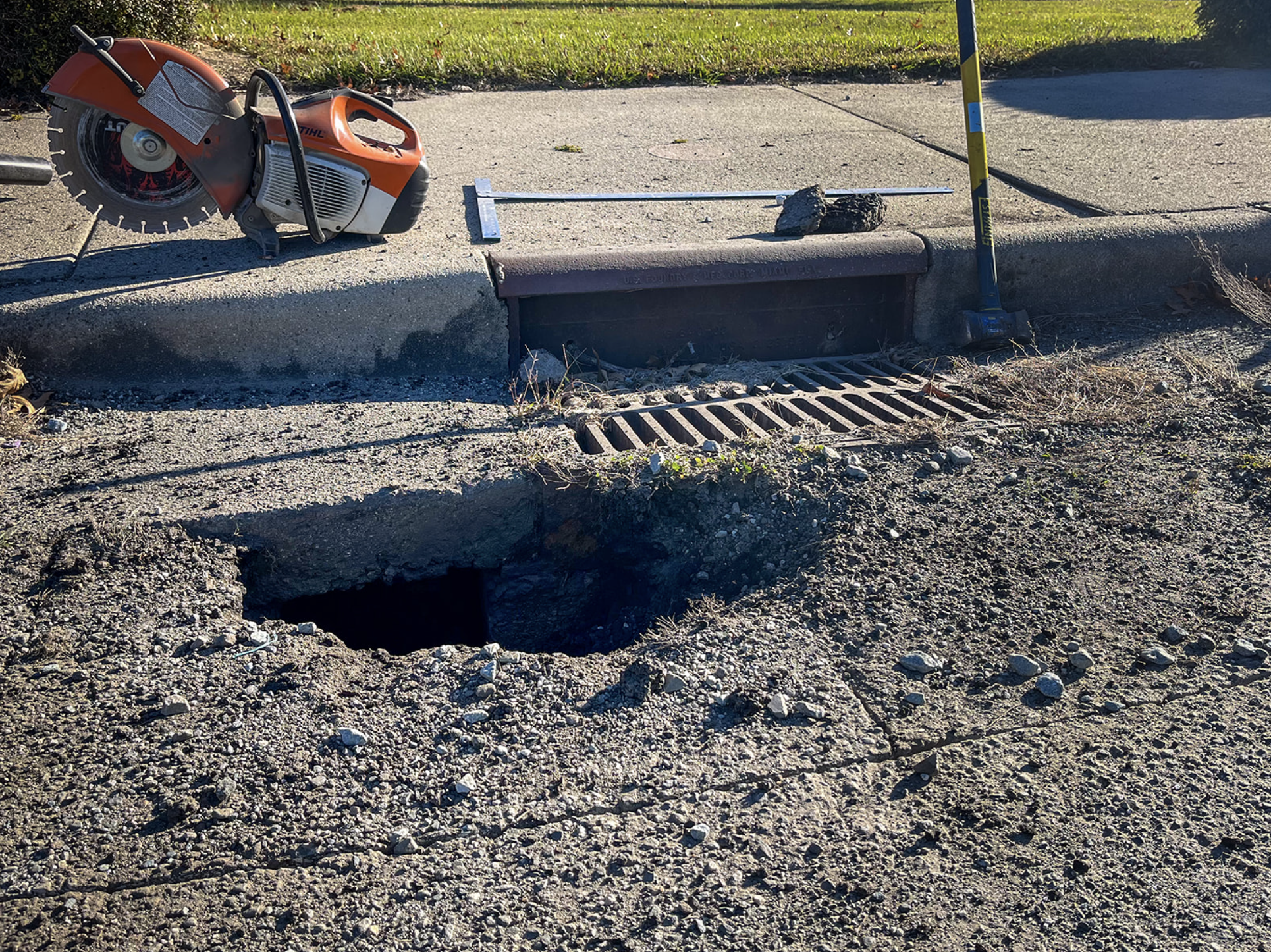
Sinking or cracking pavement around the drain opening
Standing water or erosion near the drain after normal rainfall
How it Works, Step by Step:
Assess the drain and surrounding structure. We check the grate, catch basin, and pipe to find where the failure actually is.
Determine the scope. Some jobs are a simple grate or catch basin reset. Others need excavation and pipe replacement.
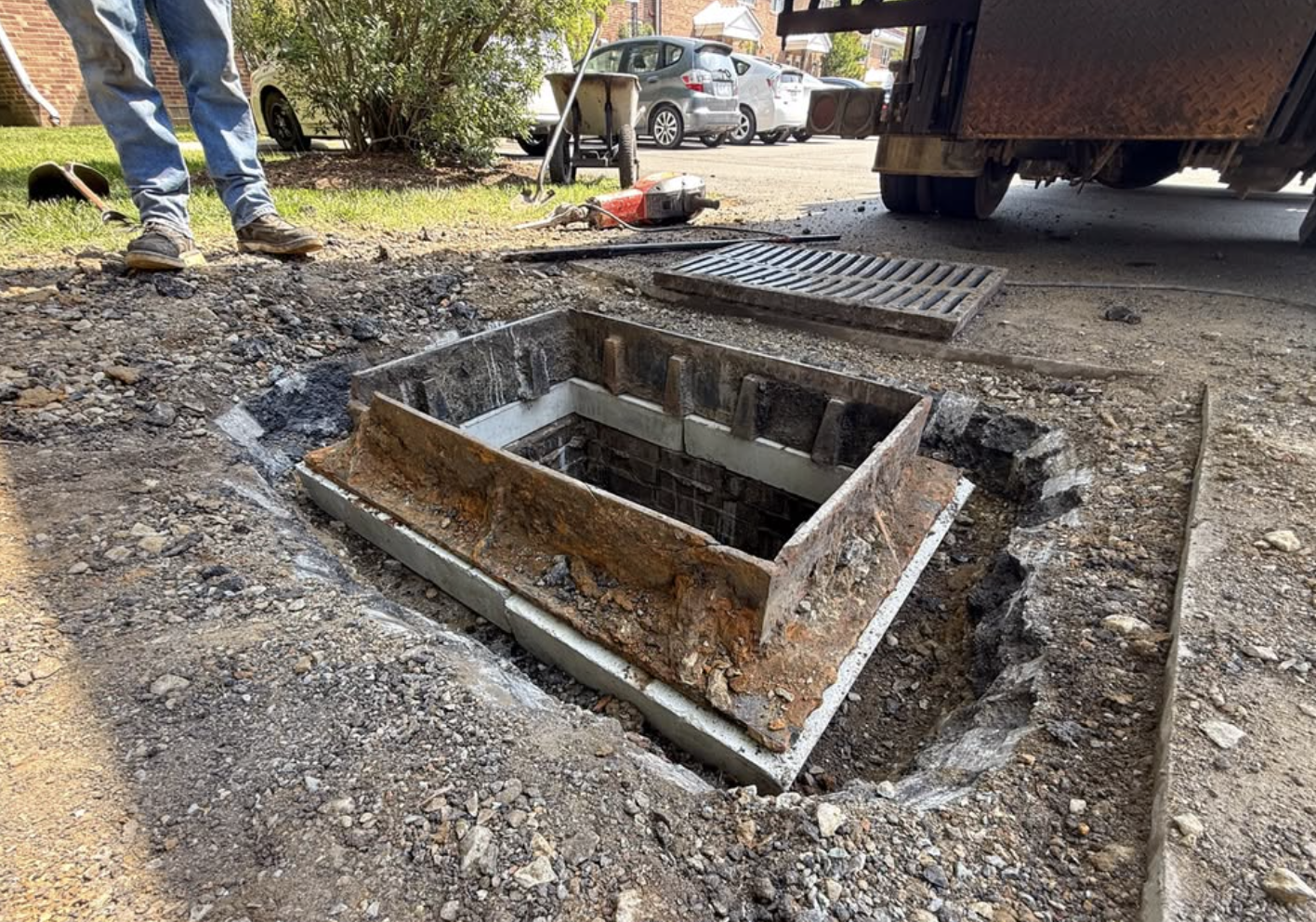
Excavate as needed. Concrete or asphalt removal around the drain if the repair calls for it.
Repair or replace. Loose grates get reset. Damaged catch basins or pipes get repaired or replaced.
Restore the surface. Surrounding pavement is patched and finished to match.
Considerations
Some repairs involve excavation, concrete or asphalt removal, and coordination with municipal utilities, since storm drains often tie into a larger public system. Site access and weather will both affect scheduling.
How pricing is determined
Pricing is quoted per job based on size, material type, and extent of damage. Depth, site access, new material costs, and disposal of existing materials are all factored into the cost.
Frequently Asked Questions
-
Yes, when it's needed. Storm drains often connect to a larger municipal system, so some repairs require coordinating with the city or utility provider before work can start. We handle that coordination as part of the job.
-
The most common causes are a collapsed pipe, shifting ground underneath the structure, or deterioration around the inlet itself over time. Once one of those happens, water stops draining the way it should and starts pooling or eroding the surrounding area instead.
-
Not safely, in most cases. Active rain and water flow through the drain make excavation and repair difficult and unsafe, so we schedule around weather rather than working through it.
-
It depends on what's underneath. Sometimes a grate just needs to be reset. Other times a loose or sunken grate is a sign the catch basin or pipe below it has already started to fail, which is why we check the full structure before doing the repair, not just the part you can see.
Related Services
Utility Cut Repair
Storm drain work and utility cuts both mean digging into the pavement and coordinating with the systems underneath it.
Sinkhole Repair
A collapsed or failing storm drain pipe is one of the most common causes of a sinkhole.
Milling & Patching
Once the drain itself is fixed, the surrounding pavement still needs to be restored to match.
We’d love to take care of your drainage problems!
Drop us a line - we’re here to help (and we’ll actually call you back)!