
Winter vs. Summer Asphalt Maintenance
TL;DR
Summer is best for large-scale asphalt work like sealcoating, resurfacing, and line striping, since warm weather helps materials bond and cure properly. Winter is better suited to crack filling and infrared patching — smaller repairs that don't need warm temperatures to hold. For most Raleigh and Durham properties, a mix of both across the year works better than waiting for one ideal season.
If you're managing a property in Raleigh, Durham, or the surrounding area, you've probably considered asphalt maintenance as part of your routine upkeep. Asphalt is an essential part of your property's infrastructure, whether you're responsible for a large parking lot or a driveway. Maintaining it properly can save you thousands in repairs. But what's the best time of year to tackle this? Should you wait for the summer heat, or get ahead during the cooler winter months?
Let's break down the differences between winter and summer asphalt maintenance so you can decide the best approach for your property.
Summer Asphalt Maintenance
Pros of Summer Maintenance
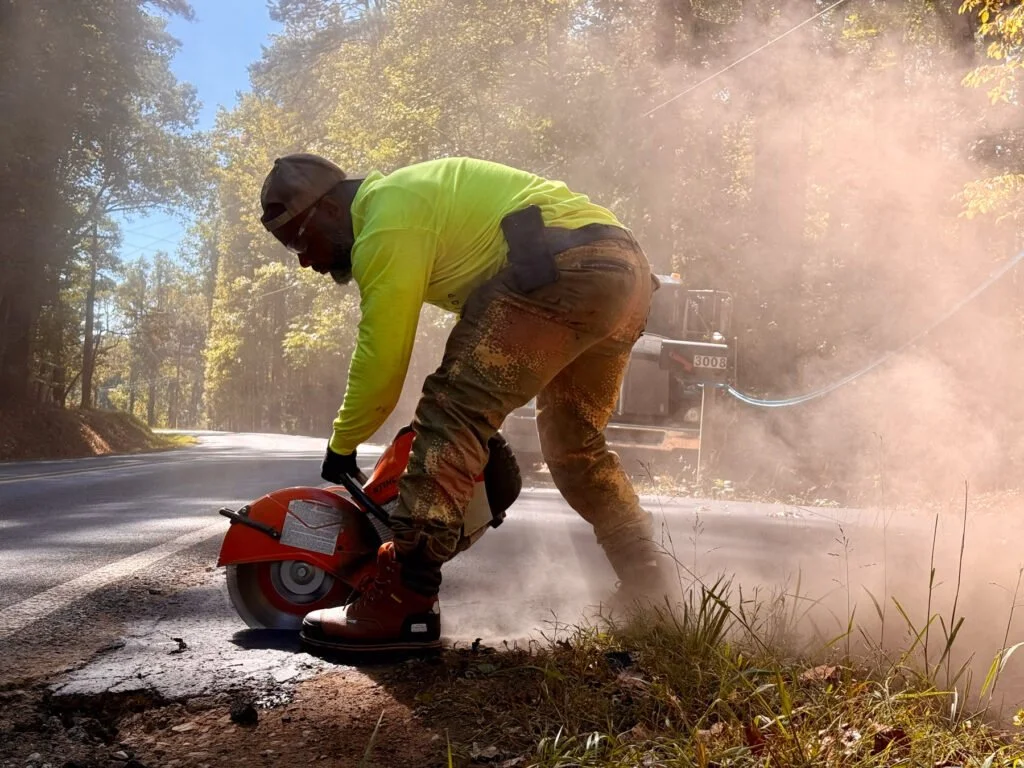
Ideal Temperatures for Sealcoating and Resurfacing: During the summer, the warm weather creates ideal conditions for both sealcoating and resurfacing. Asphalt is most pliable when it's warm, meaning materials bond better and dry faster. The heat also helps sealcoating materials cure properly, ensuring a longer-lasting protective layer. According to the Asphalt Institute, warmer temperatures allow the asphalt mixture to maintain a better consistency, which is why summer is ideal for resurfacing.
Faster Project Completion: Because summer days are longer and the weather is generally more predictable, jobs can be completed faster. The high temperatures reduce the risk of rain interruptions, and dry times are quicker. This means less disruption to your business or residents.
Prevent Damage Before Winter: Summertime asphalt maintenance also gives you a chance to address small cracks or damage before winter hits. Winter weather, especially freezing temperatures, can make those small cracks worse due to the freeze-thaw cycle. Repairing them in the summer can prevent more significant issues down the road.
Cons of Summer Maintenance
High Temperatures Can Cause Softening: While heat can be beneficial, extreme summer temperatures can also cause the asphalt to soften. This can be tricky during installation, as excessive heat can make the surface more prone to deformation from heavy traffic or equipment. In Raleigh, where temperatures can reach the high 90s, you need experienced professionals to carefully monitor the process.
More Disruption During Peak Business Hours: Many businesses are busier in the summer, and asphalt maintenance could disrupt daily operations. If you have high traffic volumes, you'll need to plan your maintenance around those peak times to avoid inconveniencing customers or employees.
Winter Asphalt Maintenance
Pros of Winter Maintenance
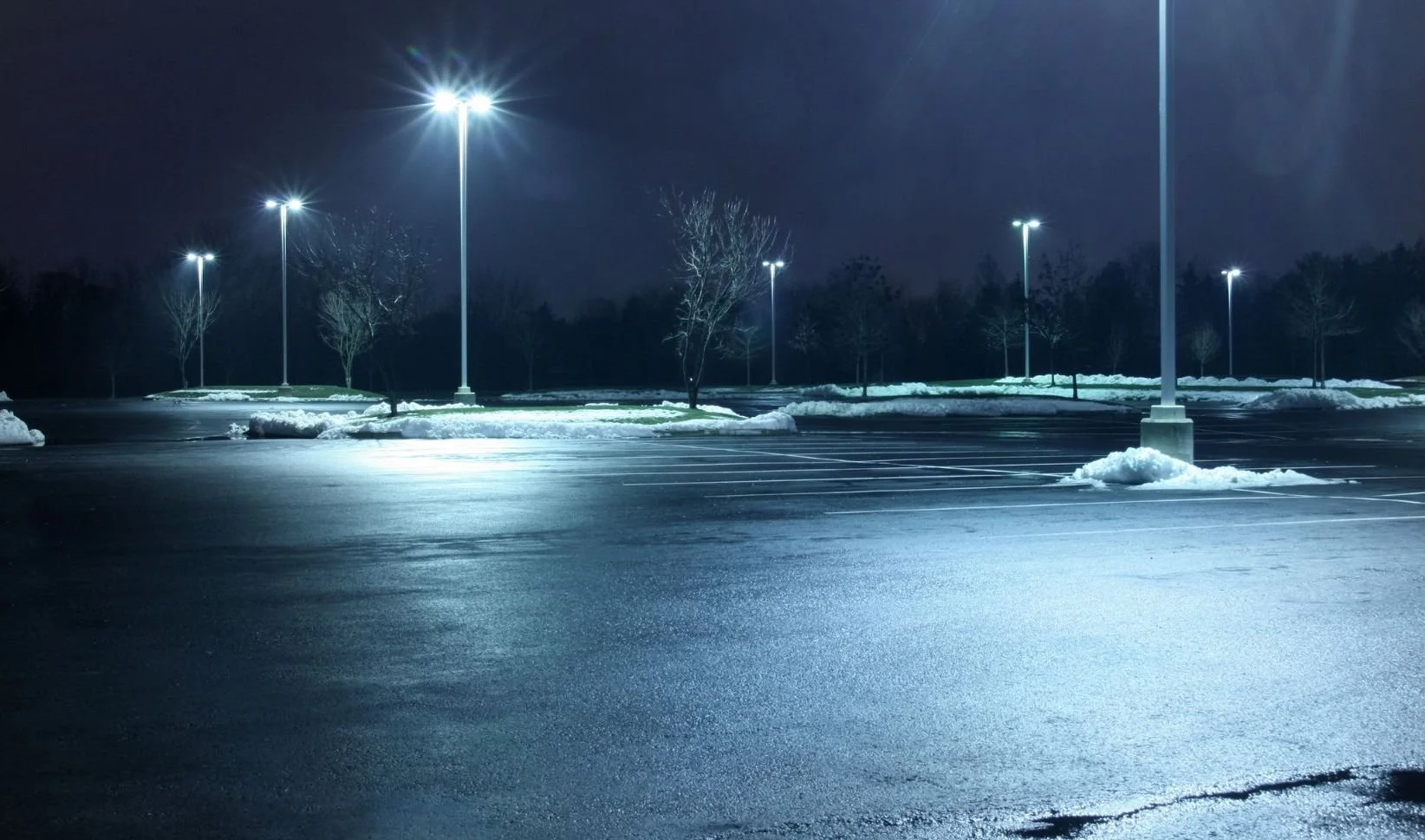
Addressing Winter Damage Early: If your asphalt starts showing signs of wear in the winter, immediate action can prevent those small issues from turning into larger problems. Addressing cracks as soon as they appear during winter can stop water from seeping in, freezing, and expanding, which leads to more significant cracks or potholes.
More Availability from Contractors: Since winter is typically a slower season for asphalt contractors, it may be easier to schedule maintenance. You're less likely to face delays due to contractor availability, making it a good time to get smaller repair jobs done quickly.
Preventative Maintenance: Crack filling and infrared asphalt patching are both great solutions for winter maintenance. Both processes can be done even in colder weather, and they help protect your asphalt from further damage. By filling cracks before the worst of winter hits, you reduce the chance of those cracks expanding. According to the National Asphalt Pavement Association, cold temperatures can lead to asphalt damage, but crack filling can mitigate this.
Cons of Winter Maintenance
Cold Weather Challenges: Winter weather can present challenges. Asphalt material doesn't bond as well in cold temperatures, and freezing conditions make it difficult for sealcoating to dry properly. For these reasons, major repairs like sealcoating or resurfacing aren't ideal in the winter months unless temperatures are unseasonably warm.
Shorter Workdays: In the winter, shorter days and unpredictable weather make it harder to schedule large-scale projects. Projects can be delayed or extended if the weather turns suddenly or if the ground is too cold for proper application.
What's the Best Option for Your Raleigh Property?
Choosing between summer and winter maintenance depends on the type of project and the condition of your asphalt. Here's a quick guide to help:
Summer: Ideal for large-scale projects like sealcoating, resurfacing, and line striping. The heat ensures a quick turnaround and better bonding of materials.
Winter: Best for crack filling, infrared asphalt patching, and minor repairs. If you need to address small issues immediately, winter maintenance is still an option.
Seasonal Challenges for Asphalt in Raleigh
In Raleigh, we see a range of weather conditions that can impact your asphalt, from scorching summer heat to chilly, wet winters. Understanding how each season affects your asphalt is key to long-term maintenance.
Summer Heat and UV Damage: The intense summer sun can lead to oxidation, which makes asphalt brittle over time. Sealcoating your asphalt in the summer not only protects it from UV damage but also helps it resist cracking during the colder months. According to the Federal Highway Administration, regular maintenance like sealcoating can extend the life of your asphalt and protect it from weather-related wear and tear.
Freeze-Thaw Cycles in Winter: During the winter, the freeze-thaw cycle can wreak havoc on asphalt. Water seeps into small cracks, freezes, and expands, making the cracks larger. Over time, this can lead to potholes and structural damage. Repairing small cracks before or during the winter helps mitigate this.
Winter Moisture: Winter rains can wash away loose gravel, causing erosion and weakening your asphalt. Drainage issues are more prominent in the winter months, and standing water can be a sign that your asphalt needs attention
How Our Services Fit Into Seasonal Maintenance
At Green Street Blacktop, we offer a range of services tailored to meet your asphalt needs year-round:
Asphalt Repair: Whether it's summer or winter, small repairs like crack filling or infrared patching can prevent major damage. By addressing problems as soon as they arise, you can save on more costly repairs down the line.
Sealcoating: Ideal for temperatures above 50 degrees. Sealcoating protects your asphalt from UV rays, rain, and oil spills. It's a cost-effective way to prolong the life of your asphalt.
Infrared Asphalt Patching: This is a great option for winter repairs. Infrared heat allows us to fix cracks and potholes even in cold weather, ensuring your asphalt remains in good condition.
Line Striping: Proper line striping improves the appearance and safety of your parking lot. Summer is the perfect time for this service, as warmer temperatures ensure the paint adheres properly.
Not sure which season is right for your property? Get a quote and we'll help you plan it out.
Environmentally Friendly Solutions
We're committed to offering environmentally friendly solutions in every service we provide. From using asphalt materials that can be recycled to minimizing our carbon footprint with energy-efficient equipment, we make choices that are better for the environment. Plus, as a women-owned business, we bring a unique perspective to the industry, always focusing on customer service and sustainability.
Frequently Asked Questions
What's the best time of year to sealcoat asphalt?
Sealcoating needs temperatures above 50°F to cure properly, which makes late spring through summer the ideal window in the Triangle area.
Can asphalt be repaired in the winter?
Yes — crack filling and infrared asphalt patching can both be done in cold weather, making winter a good time for smaller repairs even though larger jobs like sealcoating and resurfacing need to wait for warmer temperatures.
Why do potholes get worse in the winter?
Water that seeps into small cracks freezes and expands during winter's freeze-thaw cycles, turning minor cracks into larger cracks and eventually potholes.
Is it harder to schedule asphalt work in the winter?
Actually the opposite — winter is typically contractors' slower season, so smaller repair jobs are often easier to schedule quickly than during the busier summer months.
Whether it's summer or winter, we're here to help keep your asphalt in top condition. Let's work together to find the best maintenance plan for your property. Reach out today for a free quote or even just a friendly opinion. We'd love to chat with you about how we can extend the life of your asphalt and keep it looking great all year round.