
TL;DR
Asphalt patching repairs a specific damaged area — a pothole, crack, or sunken spot — by filling it with new asphalt material instead of resurfacing the whole surface. Durham-area contractors choose among four methods (hot mix, cold patch, infrared, or throw-and-roll) based on the depth of the damage, the weather, and how permanent the fix needs to be.
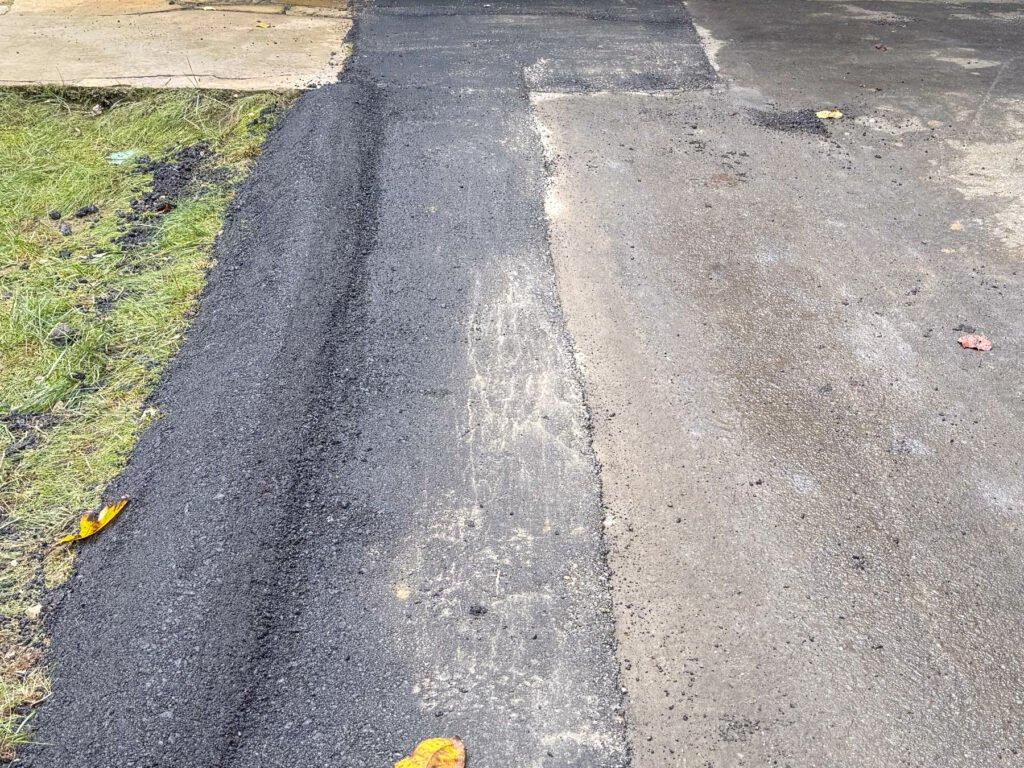
Asphalt patching is a targeted repair — filling a pothole, crack, or sunken area with new asphalt material instead of resurfacing the whole lot or driveway. It's the go-to fix when the surrounding pavement is still structurally sound and only a specific spot has failed.
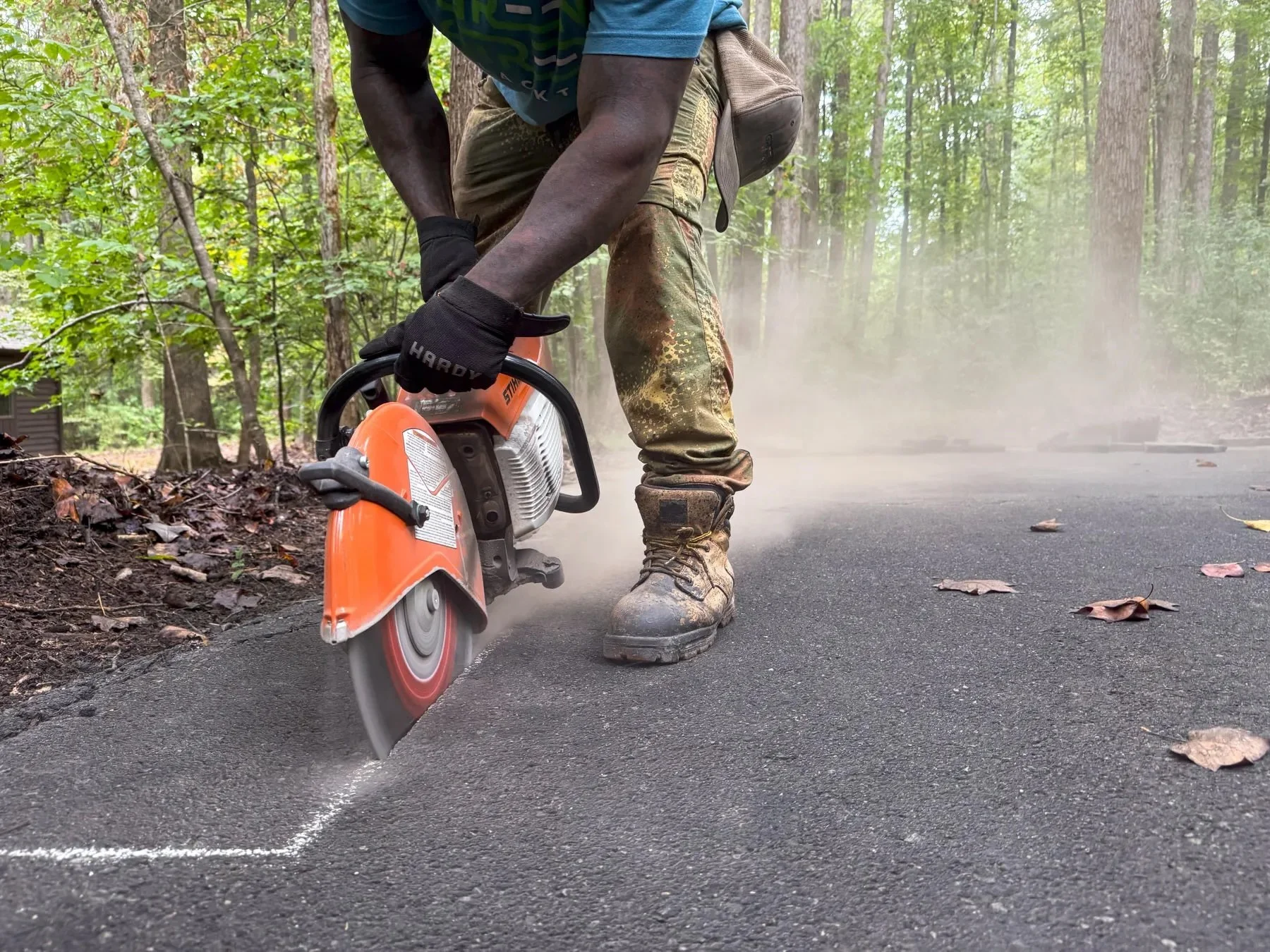
Methods of Asphalt Patching
There are four main ways to patch asphalt, and the right one depends on the size and depth of the damage, the weather, and how permanent the fix needs to be.
Hot Mix Asphalt Patching
Hot mix is the professional standard: asphalt material heated to roughly 300°F is placed into the prepared area and compacted so it bonds seamlessly with the surrounding pavement. It requires specialized equipment and dry, moderate weather, but it's the most durable option — the repair becomes essentially part of the original surface rather than a patch sitting on top of it.
Advantages: Long-lasting, seamless bond with existing pavement.
Disadvantages: Weather-restricted; needs professional equipment.
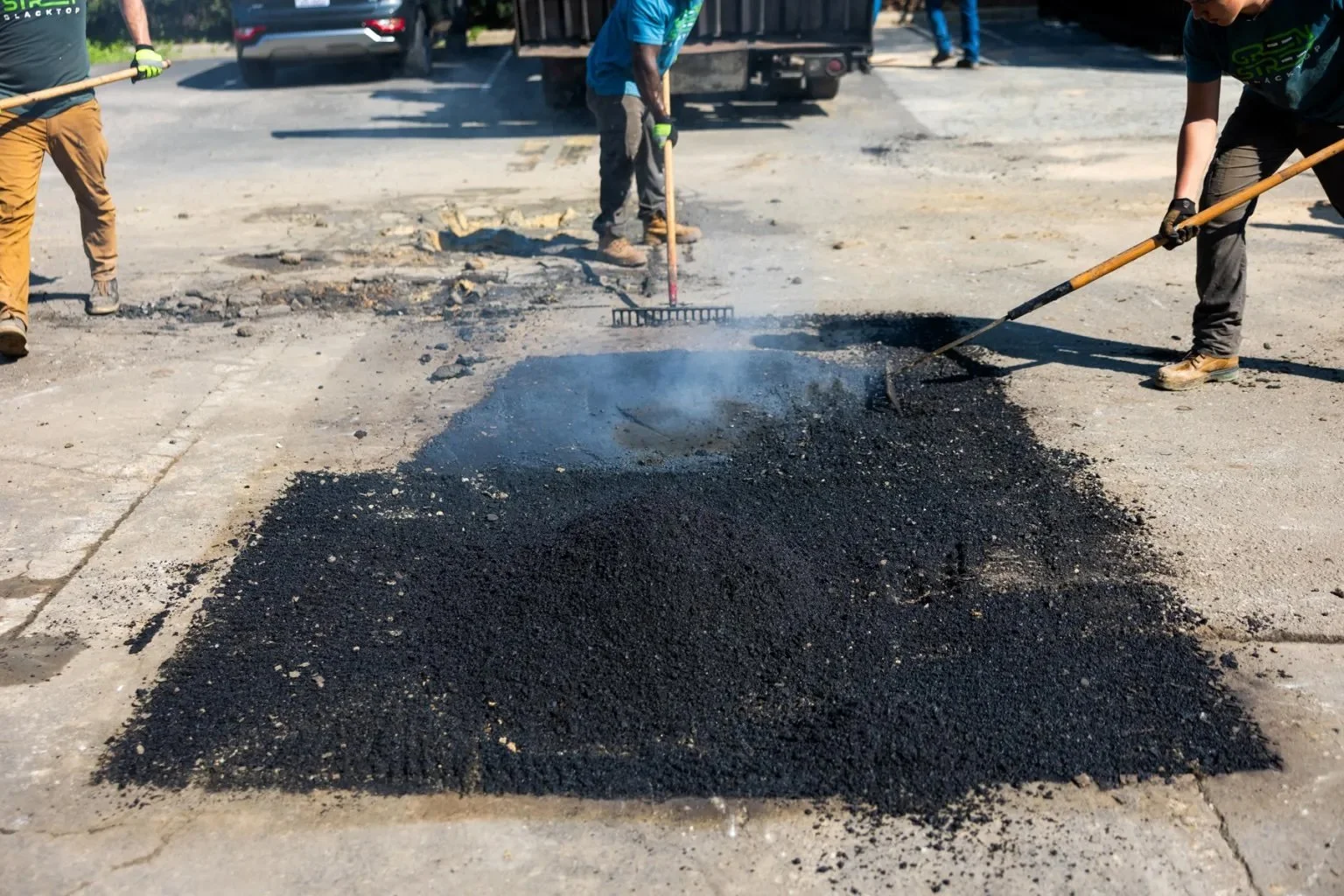
Cold Patch Asphalt Repair
Cold patch is a ready-to-use material that doesn't require heating equipment, which makes it the practical choice for DIYers and for emergency repairs in cold or wet weather when hot mix isn't an option.
Advantages: Easy to apply, works in cold or wet conditions.
Disadvantages: Less durable than hot mix — typically a shorter-term fix.
Infrared Asphalt Patching
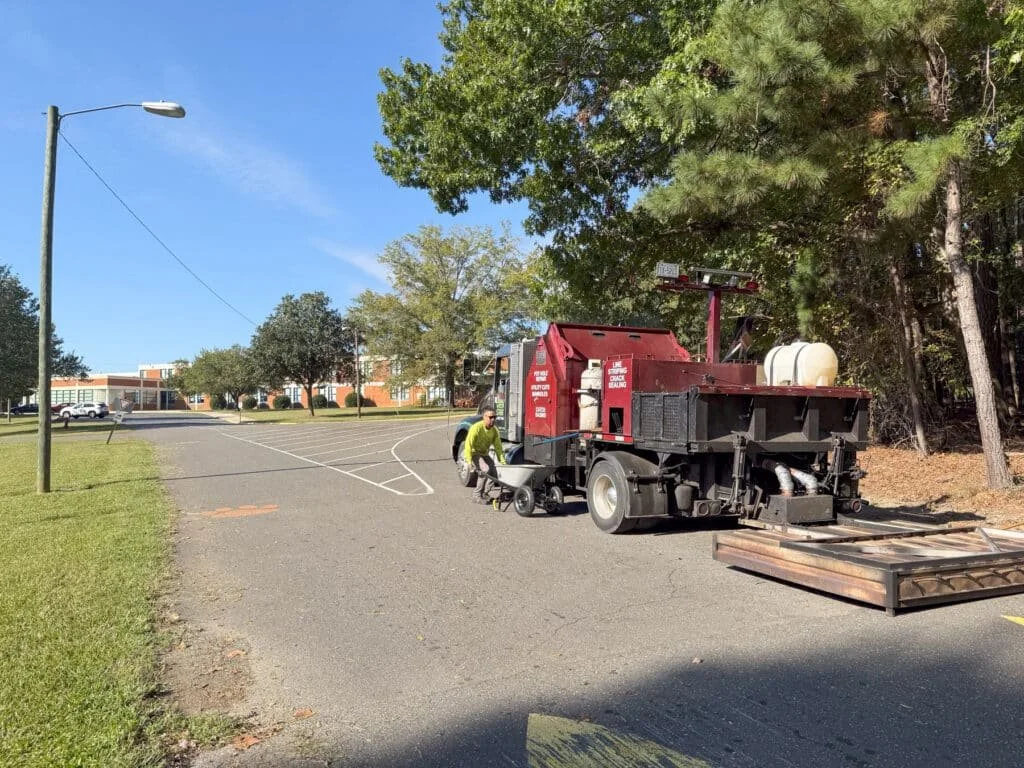
Infrared patching is Green Street Blacktop's preferred method for most jobs. Infrared heaters soften the existing asphalt in place, new material is blended in, and the whole area is compacted into one continuous surface — no cold seams for water to work into later. It's faster and more eco-friendly than a full hot mix cutout-and-replace job, though it isn't suited to potholes that go several inches deep.
Advantages: Fast, eco-friendly, seamless repair with no cold joint.
Disadvantages: Not ideal for deep potholes or major structural damage.
Throw-and-Roll Patching
Throw-and-roll is the quickest fix available: patch material is placed directly into the damaged area and compacted using the weight of passing vehicle tires rather than mechanical equipment. It's meant as a temporary, emergency measure — not a long-term repair.
Advantages: Fast, minimal equipment needed — good for emergencies.
Disadvantages: Temporary; needs a permanent repair to follow.
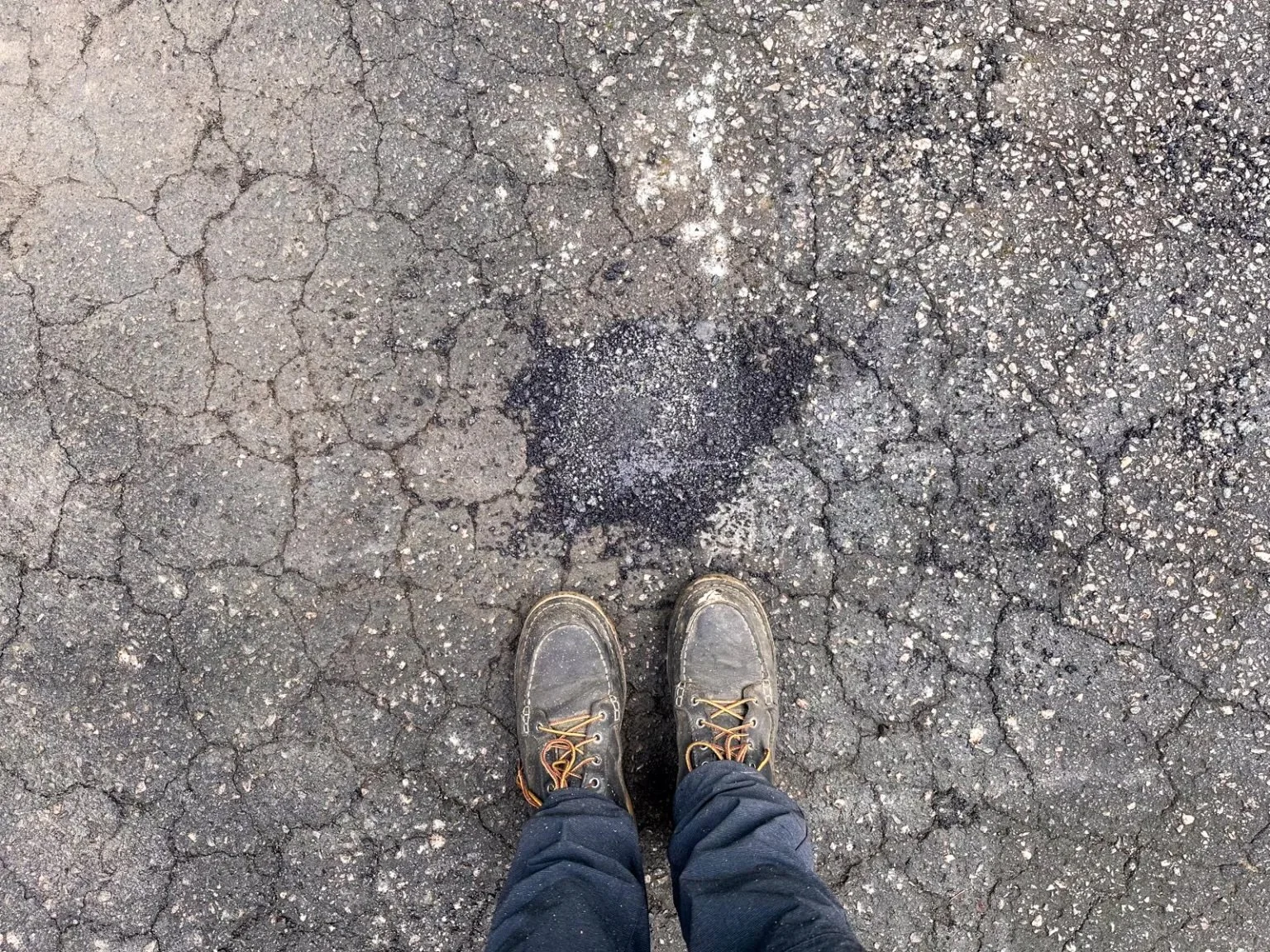
This is one reason Green Street Blacktop's Milling & Patching service covers all four methods rather than a single fixed approach — the right fix depends on the damage, not a one-size-fits-all process.
Role of Asphalt Patching in Pavement Maintenance
Patching isn't just a cosmetic fix — done at the right time, it's one of the most cost-effective things a property owner can do for a lot's long-term health.
Prevents Larger Repairs
A small pothole or crack left unaddressed lets water into the base layer, which accelerates damage. Patching it early stops that spread before it turns into a full-depth repair or resurfacing job.
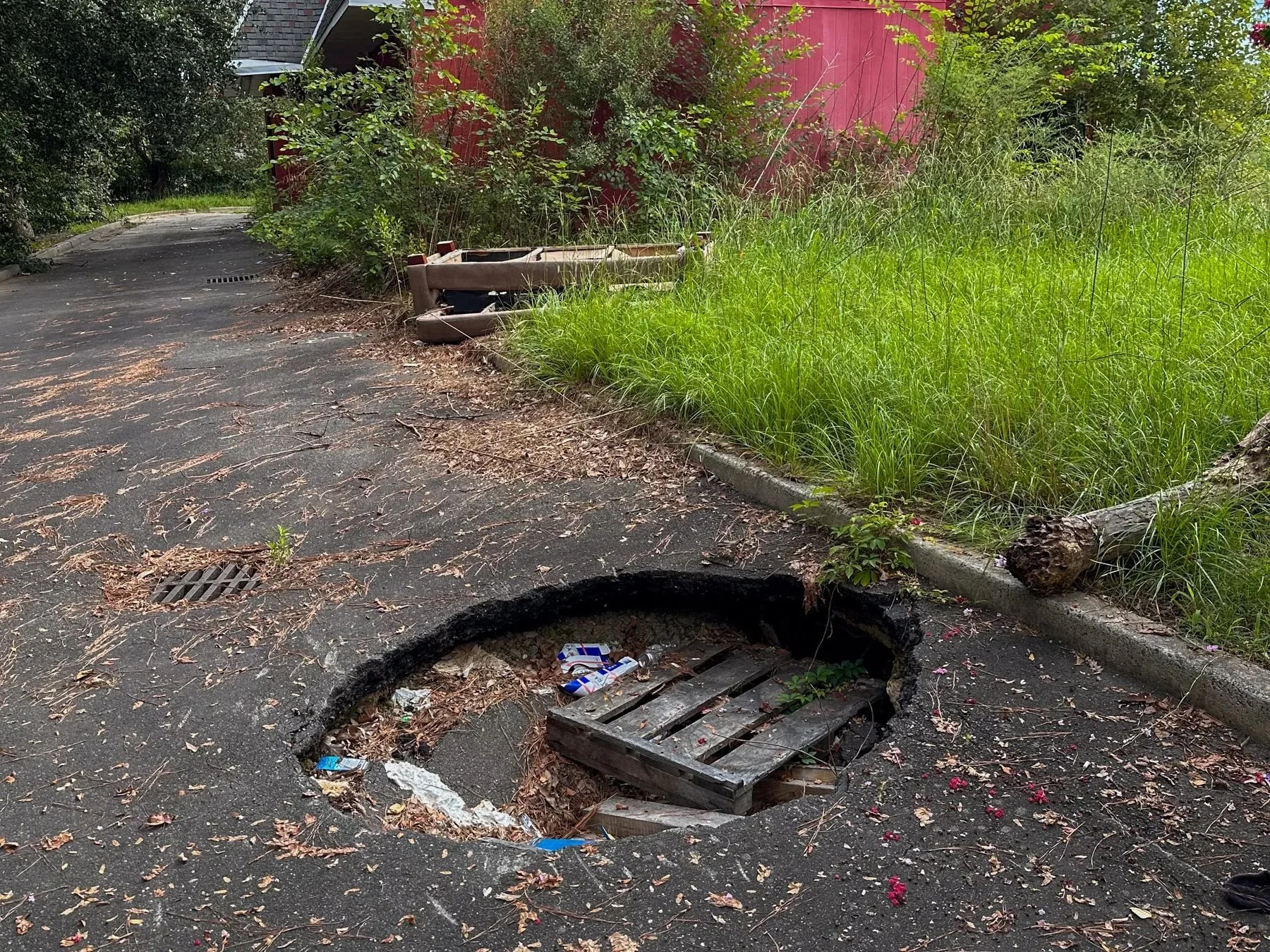
Improves Safety
Potholes and uneven pavement are a real trip, fall, and vehicle-damage hazard. Patching removes that risk for pedestrians, drivers, and — for businesses, schools, and municipal properties — liability exposure.
Extends Pavement Life
Regular, targeted patching extends the usable life of an asphalt surface by years, since it addresses failure points before they undermine the surrounding pavement.
Cost-Effective Maintenance
Patching a specific damaged area costs a fraction of resurfacing or replacing an entire lot or driveway, making it the most budget-efficient way to keep pavement in service.
Maintains Appearance
For commercial properties, schools, and HOAs in particular, a lot free of potholes and visible patches reads as well-maintained — which matters for curb appeal and first impressions.
If your Durham or Triangle-area asphalt has damage, contact us for a quote and we'll help you figure out the right long-term fix.
Frequently Asked Questions
What is the difference between asphalt patching and asphalt resurfacing?
Asphalt patching repairs a specific damaged area by filling it with new material, while resurfacing replaces the entire top layer of a lot or driveway. Patching typically costs a fraction of resurfacing and can often be completed in a single day, but it doesn't address widespread deterioration across the whole surface.
How long does an asphalt patch last?
A properly installed hot mix or infrared patch typically lasts 5-8 years under normal traffic, while a cold patch or throw-and-roll repair — meant as a temporary fix — usually needs to be redone within 6-12 months.
What is the best method for repairing a large pothole?
For a large or deep pothole, hot mix asphalt patching is usually the best option because it uses material heated to roughly 300°F that bonds seamlessly with the surrounding pavement. Infrared patching works well for shallower, surface-level potholes but isn't recommended once damage extends several inches deep.
Can asphalt patching be done in cold or wet weather?
Hot mix and infrared patching both need dry conditions and moderate temperatures for a proper bond, so they're typically scheduled outside of freezing or rainy weather. Cold patch asphalt is formulated to be applied in cold or wet conditions, which is why it's the go-to option for emergency winter repairs.
How much does asphalt patching cost?
Cost depends on the size and depth of the damaged area, but a single pothole or small patch generally runs from a few hundred dollars up into the low thousands for larger areas. Green Street Blacktop provides a free on-site estimate for Durham-area properties before any work begins.
Conclusion
Asphalt patching is a targeted, cost-effective way to fix potholes, cracks, and sunken spots without the expense of a full resurfacing job. Whether the right call is hot mix, cold patch, infrared, or throw-and-roll depends on the size of the damage, the weather, and how long the fix needs to hold — Green Street Blacktop can help figure out which one fits.
Serving schools, municipalities, HOAs, and commercial properties across Durham and the Research Triangle, Green Street Blacktop specializes in repair and maintenance — not new installations. Reach out for a free on-site estimate.