
TL;DR
Asphalt emulsion is asphalt broken into tiny droplets and suspended in water instead of heated into a liquid, which lets it be applied at lower temperatures for sealcoating, patching, and tack coats. It's the main ingredient in the sealcoat protecting most driveways and parking lots in the Triangle.
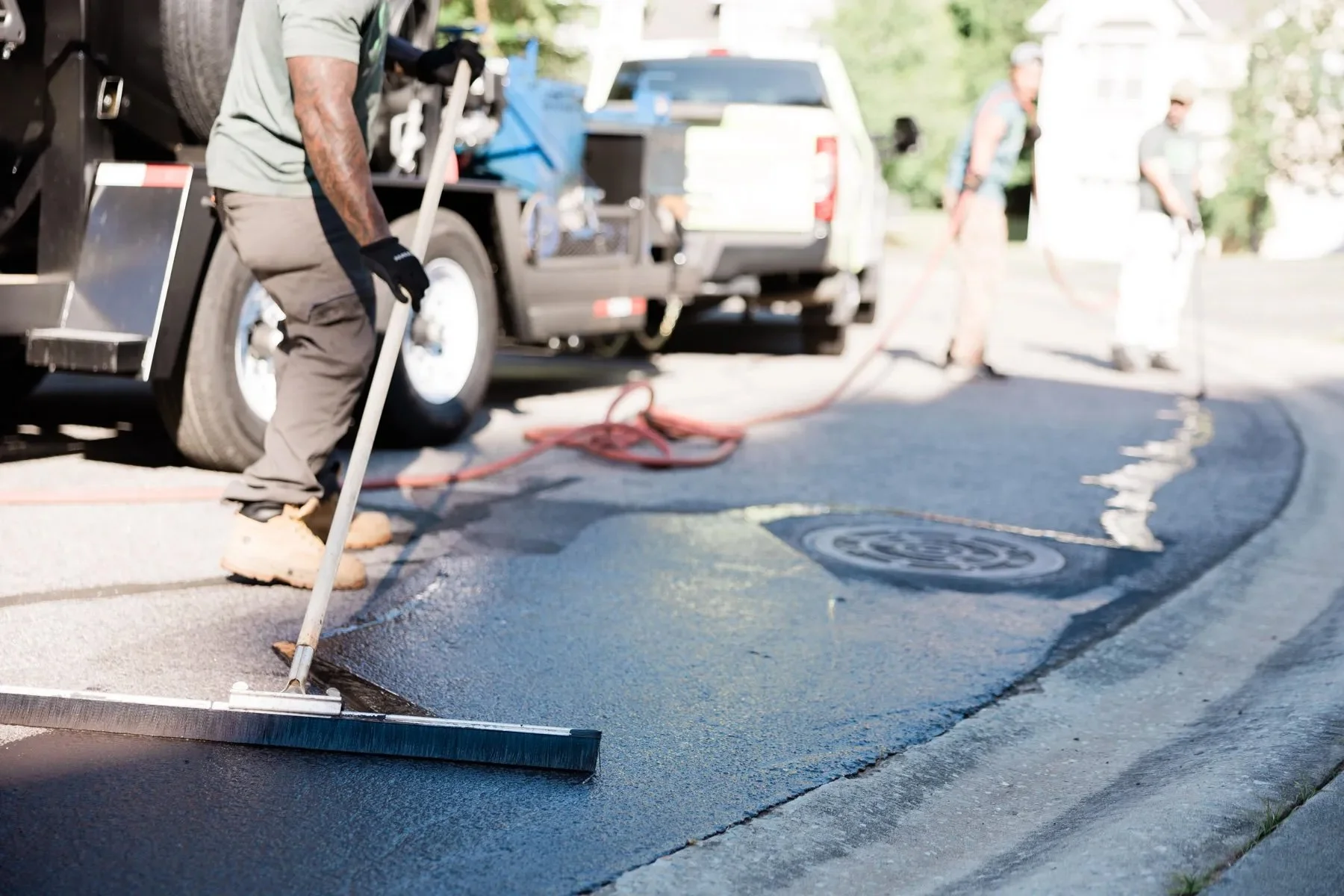
Asphalt emulsion is a mixture of asphalt (bitumen), water, and an emulsifying agent, which helps keep the asphalt particles suspended in the water. Unlike traditional hot-mix asphalt, asphalt emulsion is created by breaking down asphalt into tiny droplets and suspending them in water. The result is a liquid product that can be used in a variety of asphalt maintenance and construction processes, including sealcoating, patching, and tack coats for new pavements.
The key benefit of asphalt emulsion is that it can be applied at lower temperatures than traditional asphalt products, making it more environmentally friendly and cost-effective. This reduced temperature requirement also makes it safer and easier to handle, leading to a growing preference for asphalt emulsion in many pavement maintenance applications.
Did you know in Australia they refer to "asphalt" and "pavement" as "bitumen"?
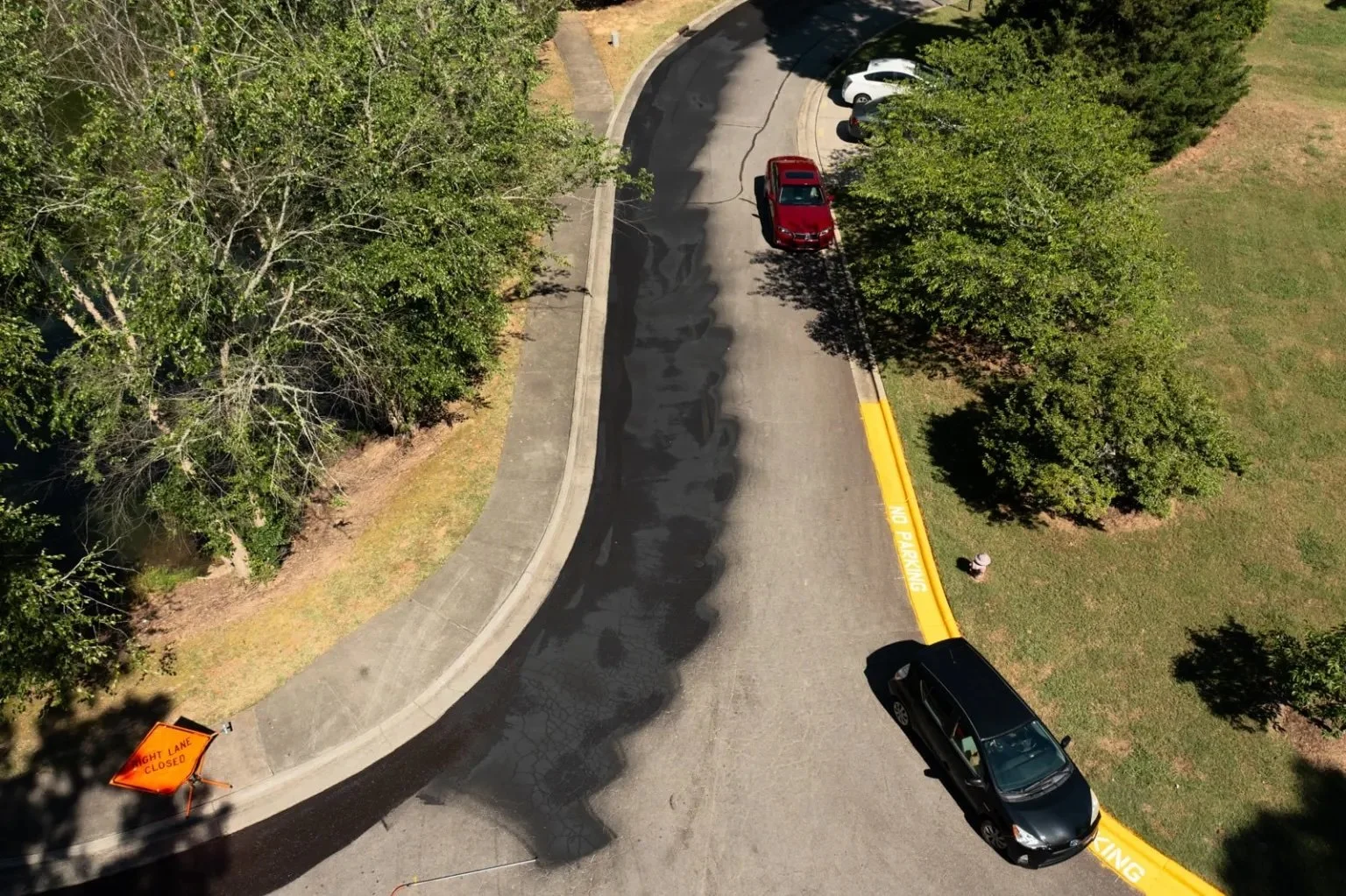
Components of Asphalt Emulsion
Asphalt: The primary component, providing the binder that gives roads and driveways their strength and flexibility.
Water: Acts as a carrier, making it easier to spread and apply.
Emulsifying Agents: Chemicals that help the asphalt and water mix together and stay in suspension until applied.
When applied to a surface, the water in the emulsion evaporates, allowing the asphalt to cure and form a protective coating over the existing surface.
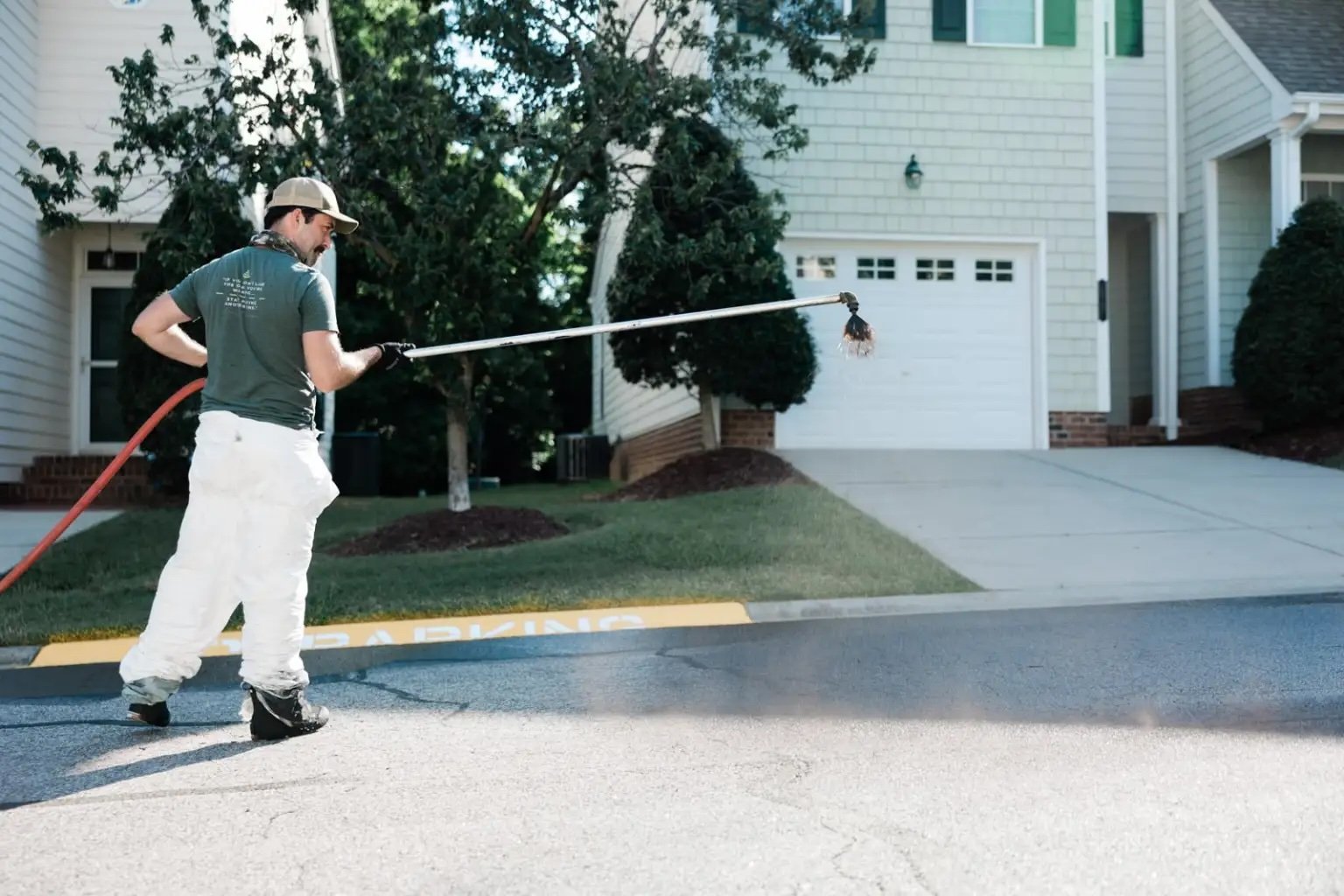
How Asphalt Emulsion is Used in Sealcoating
Sealcoating is one of the most common applications for asphalt emulsion, especially in driveway and parking lot maintenance. Sealcoating involves applying a protective layer over asphalt surfaces to prevent damage from weather, UV rays, oil, and chemical spills. Asphalt emulsion is a key ingredient in sealcoating mixtures because it creates a flexible, durable barrier that prolongs the life of the asphalt surface.
The Sealcoating Process Using Asphalt Emulsion
Preparation: Before applying asphalt emulsion as a sealcoat, the surface needs to be cleaned of dirt, debris, and oil spots. Any cracks or potholes should be repaired as well.
Application: The asphalt emulsion sealcoat is applied using a brush, squeegee, or spray system. It's spread evenly over the asphalt surface, forming a thin, protective layer.
Curing: After application, the water in the emulsion evaporates, allowing the asphalt particles to bond with the surface. Once the emulsion has cured, it leaves behind a durable, flexible coating that protects the asphalt underneath from the elements.
Benefits of Using Asphalt Emulsion in Sealcoating
Weather Resistance: Asphalt emulsion helps protect against water penetration, UV rays, and the freeze-thaw cycles that can lead to cracks and potholes.
Improved Durability: By sealing small cracks and creating a barrier, asphalt emulsion helps extend the life of the asphalt surface.
Cost-Effective: Using asphalt emulsion in sealcoating is typically less expensive than more extensive asphalt repairs or resurfacing projects.
Environmentally Friendly: Asphalt emulsion uses water as a carrier instead of solvents, reducing harmful emissions and making it a greener option compared to solvent-based products.
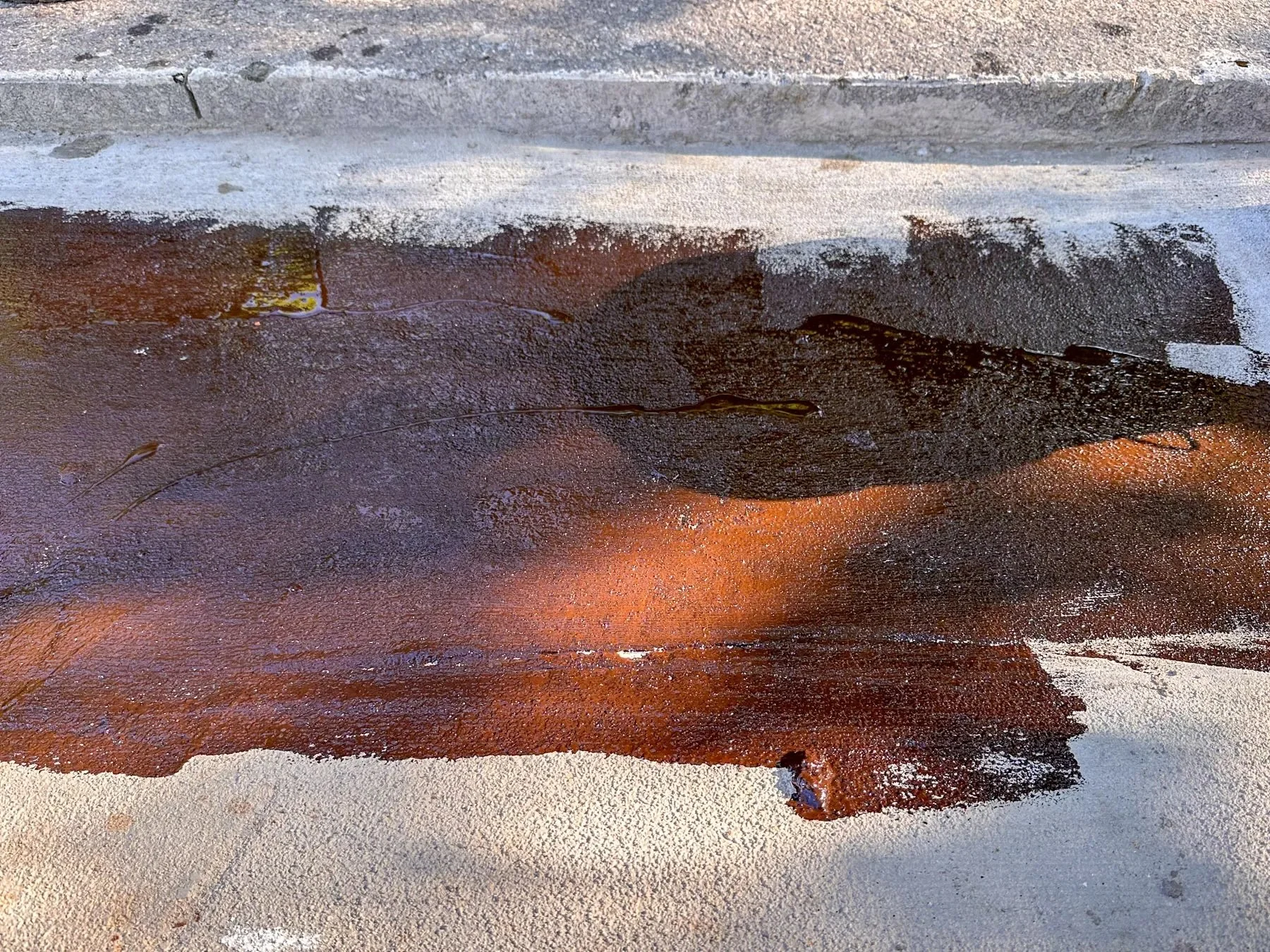
Other Uses of Asphalt Emulsion
Beyond sealcoating, asphalt emulsion is used in various asphalt maintenance and construction processes. There are specifically formulated products for each of the options below, so this is more illustrative than a direct recommendation:
Tack Coats: Asphalt emulsion is used as a tack coat between layers of asphalt in paving projects. It helps bond new asphalt to existing layers, ensuring the strength and stability of the pavement.
Patching: Asphalt emulsion is used in cold patch mixtures to fill potholes and small cracks in asphalt surfaces. It's easier to work with than hot asphalt and can be applied in colder weather, making it a versatile option for repairs.
Chip Sealing: This process involves spreading a layer of asphalt emulsion over a road surface and then covering it with a layer of aggregate. The emulsion binds the aggregate to the surface, providing a protective and skid-resistant layer.
Why Use Asphalt Emulsion?
Versatility: It can be used in a wide range of applications, from sealcoating to road construction.
Safety: Since asphalt emulsion can be applied at lower temperatures, it reduces the risk of burns and other injuries associated with handling hot asphalt.
Environmentally Friendly: Asphalt emulsion is a water-based product, making it more environmentally friendly than solvent-based alternatives like coal tar.
Durability: When properly applied, asphalt emulsion creates a strong, flexible bond that helps protect and extend the life of asphalt surfaces.
Why Choose Us for Asphalt Emulsion Sealcoating?
As a women-owned business that prioritizes eco-friendly processes, we specialize in using asphalt emulsion for sealcoating and other asphalt maintenance projects. Our commitment to customer service and sustainable practices sets us apart from other asphalt service providers in the Durham and Raleigh areas.
Due for a sealcoat of your own? Get a quote and we'll take a look.
Frequently Asked Questions
What is asphalt emulsion made of?
Asphalt emulsion combines asphalt (bitumen), water, and an emulsifying agent that keeps the asphalt droplets suspended until it's applied and the water evaporates.
Is asphalt emulsion the same as regular asphalt?
No. Traditional hot-mix asphalt is heated to over 300°F before application, while asphalt emulsion is applied at much lower temperatures because the asphalt is suspended in water rather than melted.
How long does asphalt emulsion sealcoating last?
A properly applied asphalt emulsion sealcoat typically lasts 2 to 3 years before it needs to be reapplied, depending on traffic and weather exposure.
Is asphalt emulsion environmentally friendly?
Yes, relative to solvent-based alternatives like coal tar sealers — asphalt emulsion uses water as its carrier instead of petroleum solvents, which reduces harmful emissions during application.
If you're weighing sealcoating, patching, or tack coat options for your driveway or parking lot, understanding what's actually going into the product helps you ask the right questions.
We provide asphalt emulsion sealcoating and related services throughout Durham, Raleigh, and surrounding areas — reach out and we're happy to walk through what makes sense for your property.